Ahmet Yıldırım
Video producer · Istanbul
“I have been making video for fifteen years. Agencies bring me the work, I deliver it. This year I started building the systems that do the work too.”
Hello, I am Ahmet. I studied Film and Television at İstanbul Bilgi University (2016). My first step onto professional sets was acting, in 2011 (PİS YEDİLİ · Show TV · Tükenmez Kalem · 2011–2014 · as Peker Canaydın). After that I worked in the camera department on a range of productions. In 2019 I sat down at a desk and I have not got up since. I have been making video for fifteen years. Agencies bring me the work, I deliver it. This year I started building the systems that do the work too.
- Stills
- FLUX
- Video · lip-sync
- InfiniteTalk
- Voice
- ElevenLabs
Work
video · design
Work
video · designOngoing monthly social content
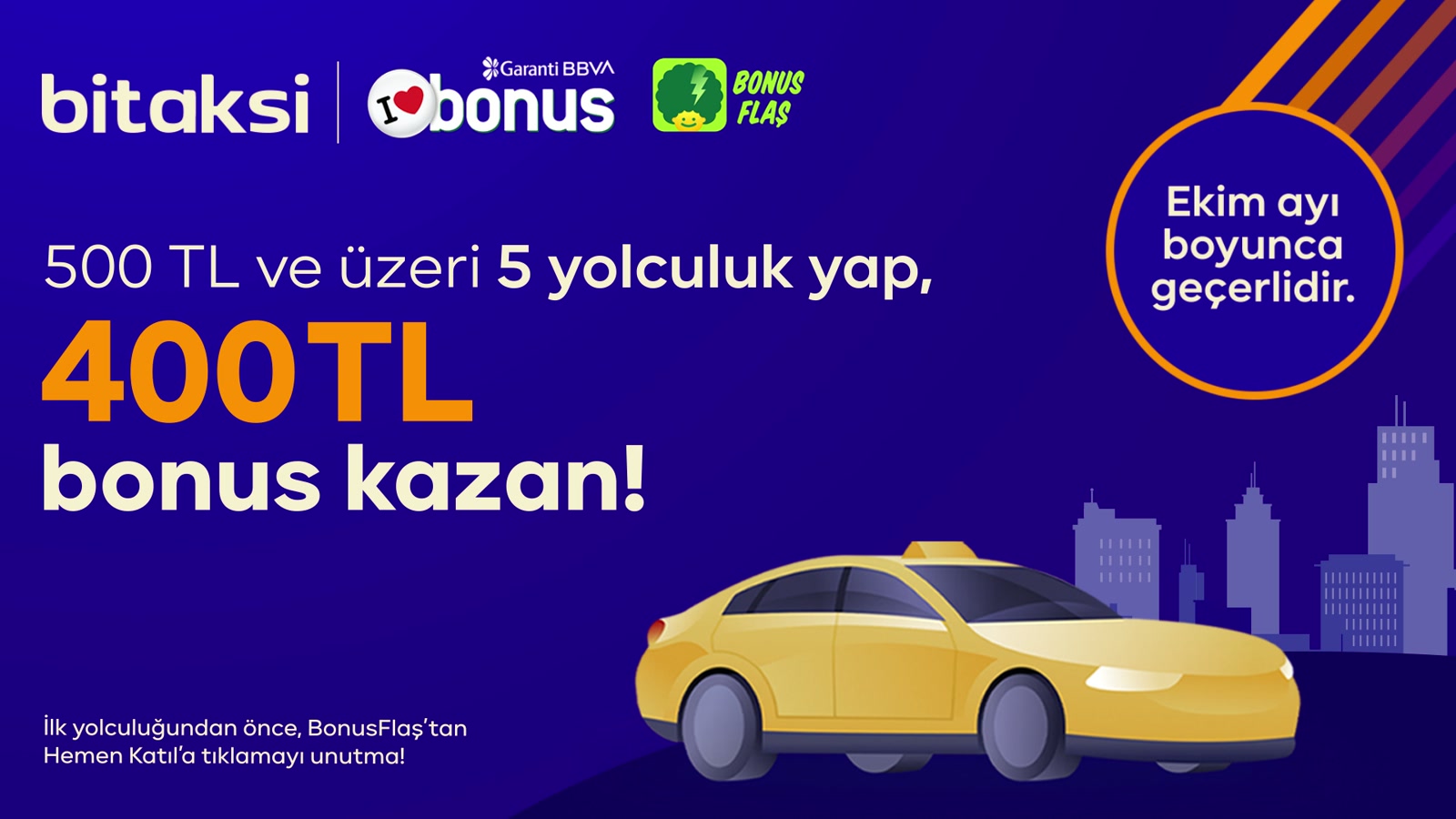
Storytel Türkiye: 63 consecutive months, 1,344 videos. Bitaksi: 11 months, 482 videos. Every month, on time.
Commercials and brand films
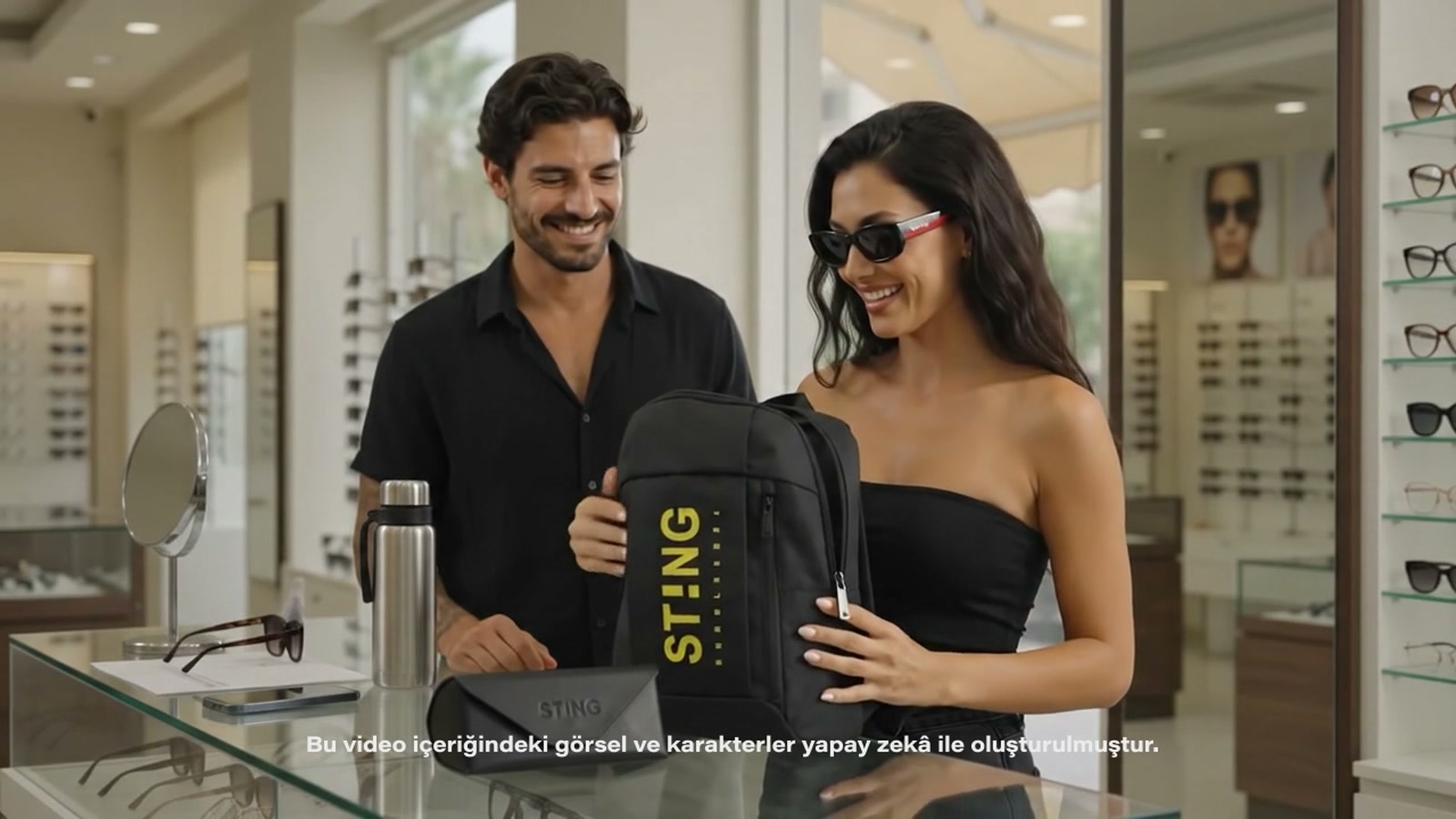
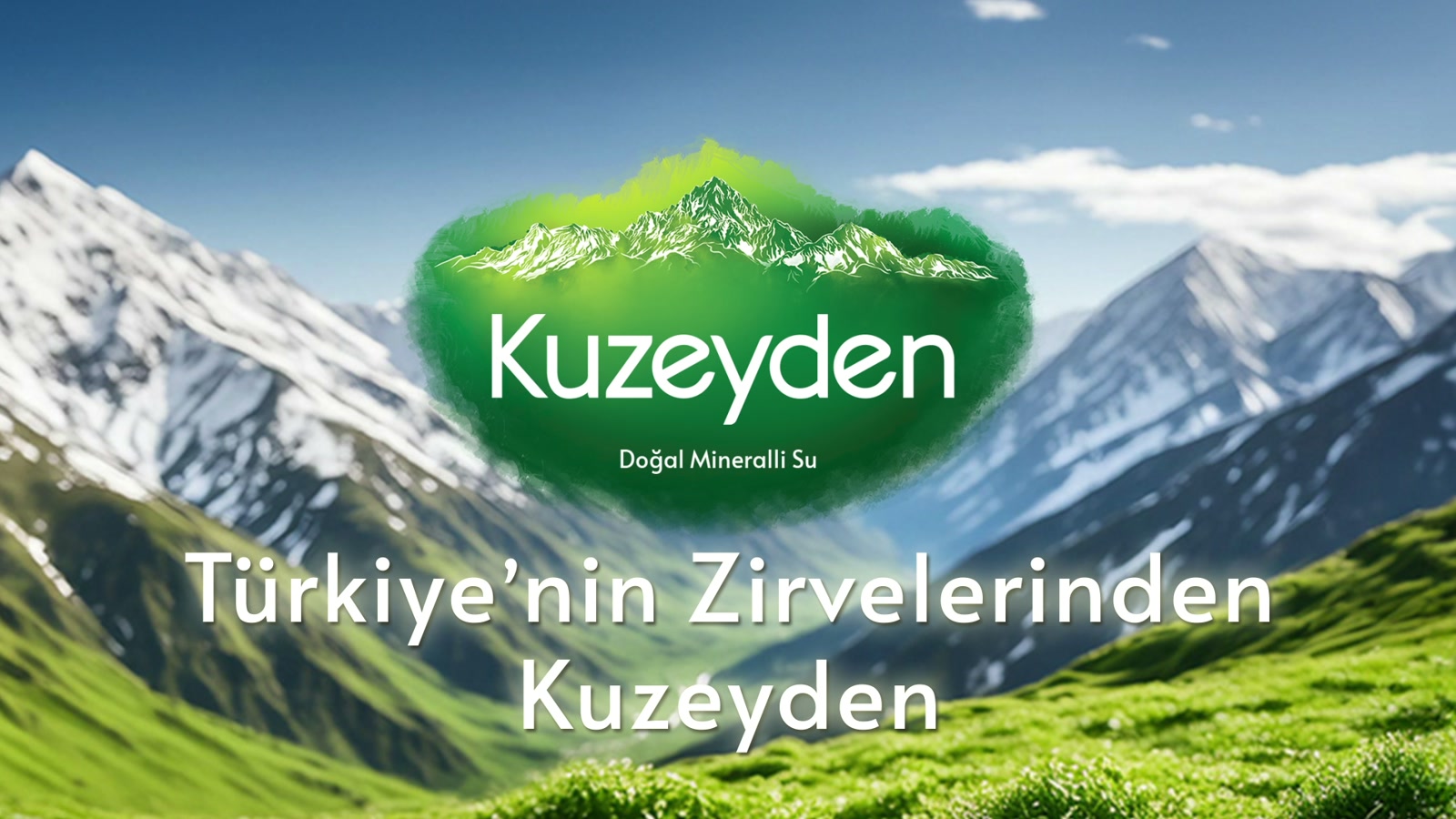
Films made for television and digital.
Motion graphics
This is the craft underneath most of the work on this page: social content, venue screens, and the animation inside commercials and corporate films. Almost everything I have delivered since 2019 passed through it.

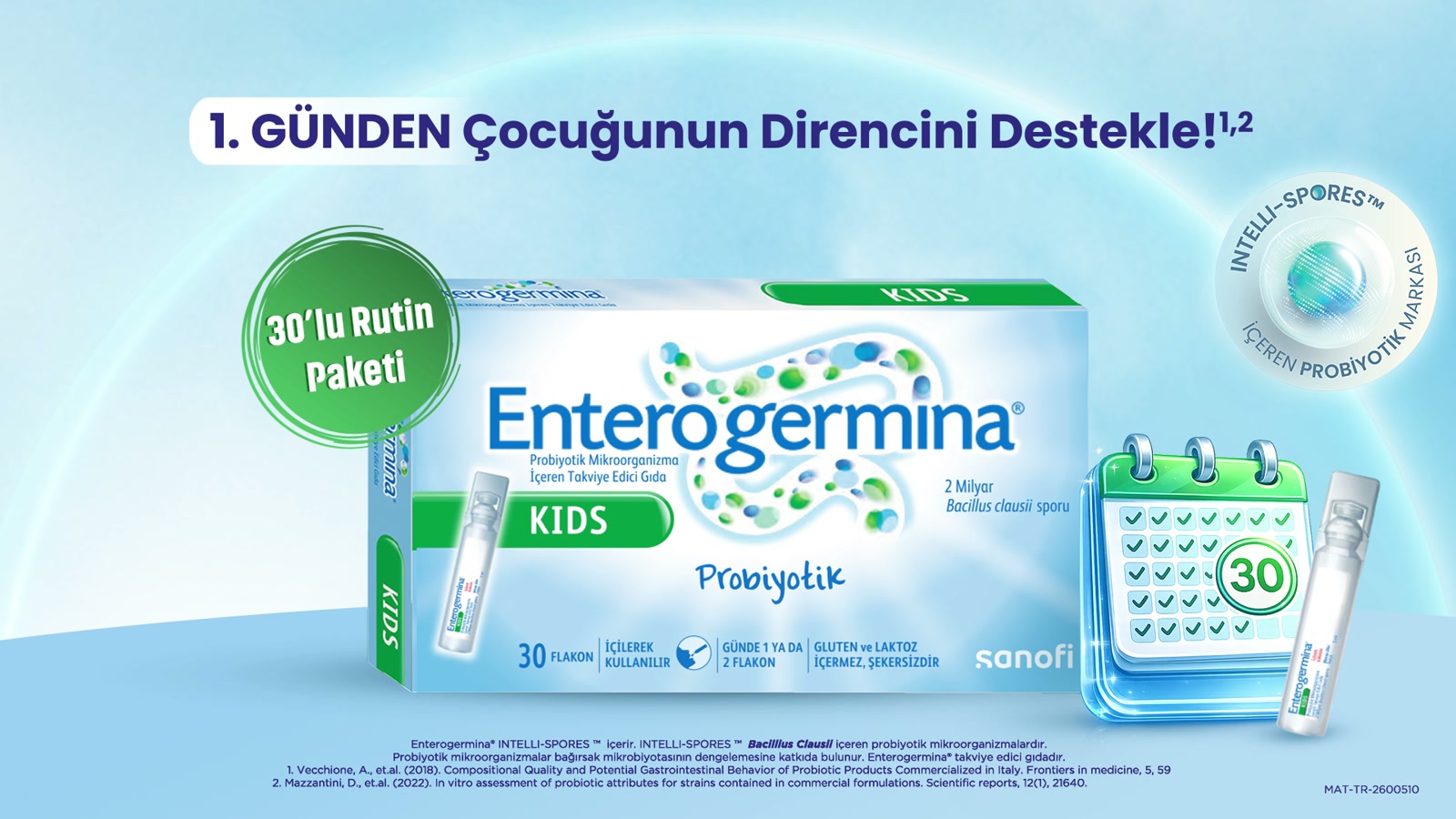
Corporate film
History films, internal communication, sales-meeting content, award submissions. I have worked for dozens of local and global companies, among them Fairy, Ariel, Unibaby, Duracell and Amazon.
Logo animation
The moment a brand name first appears on screen.
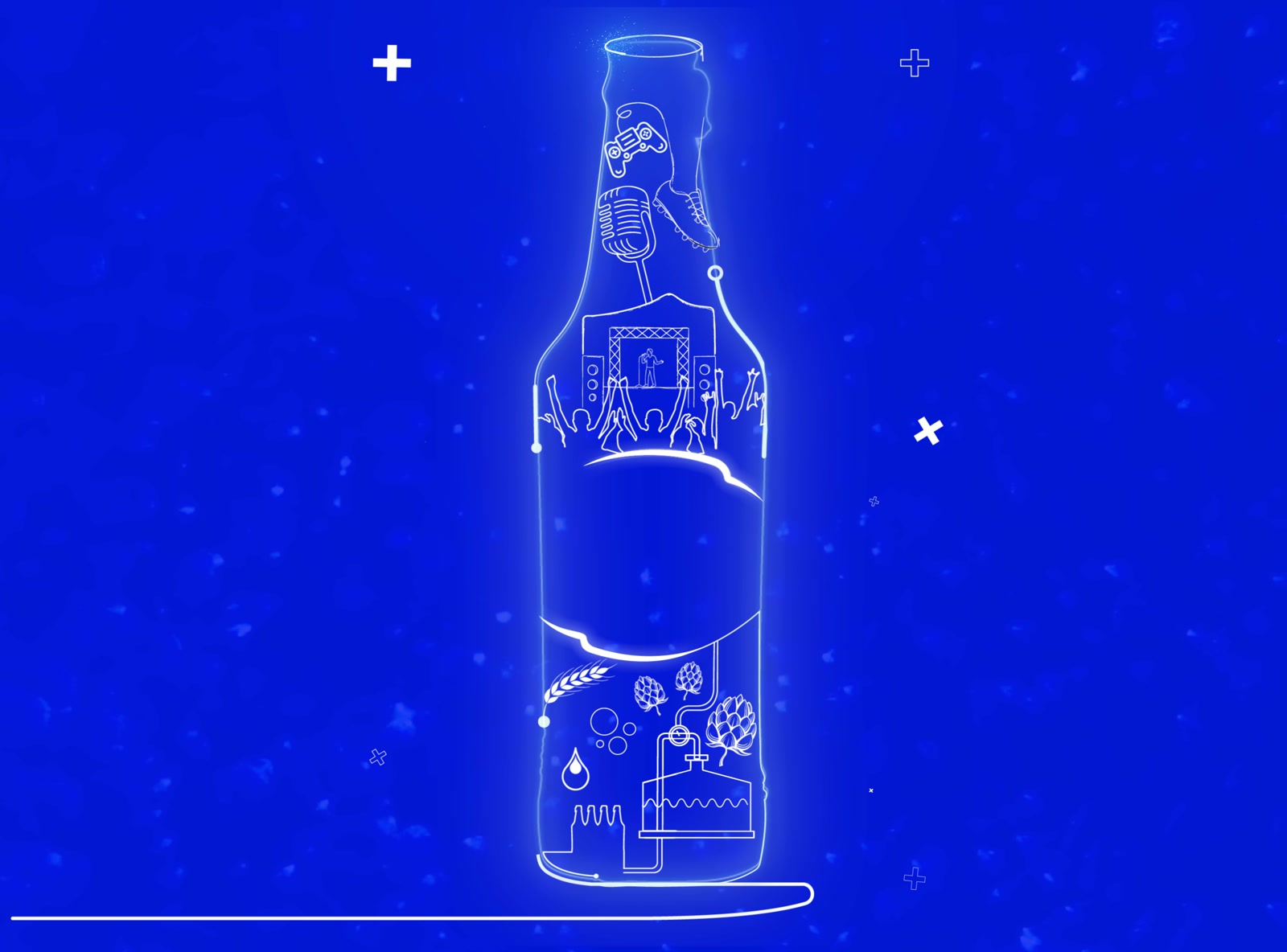
Event and venue screens
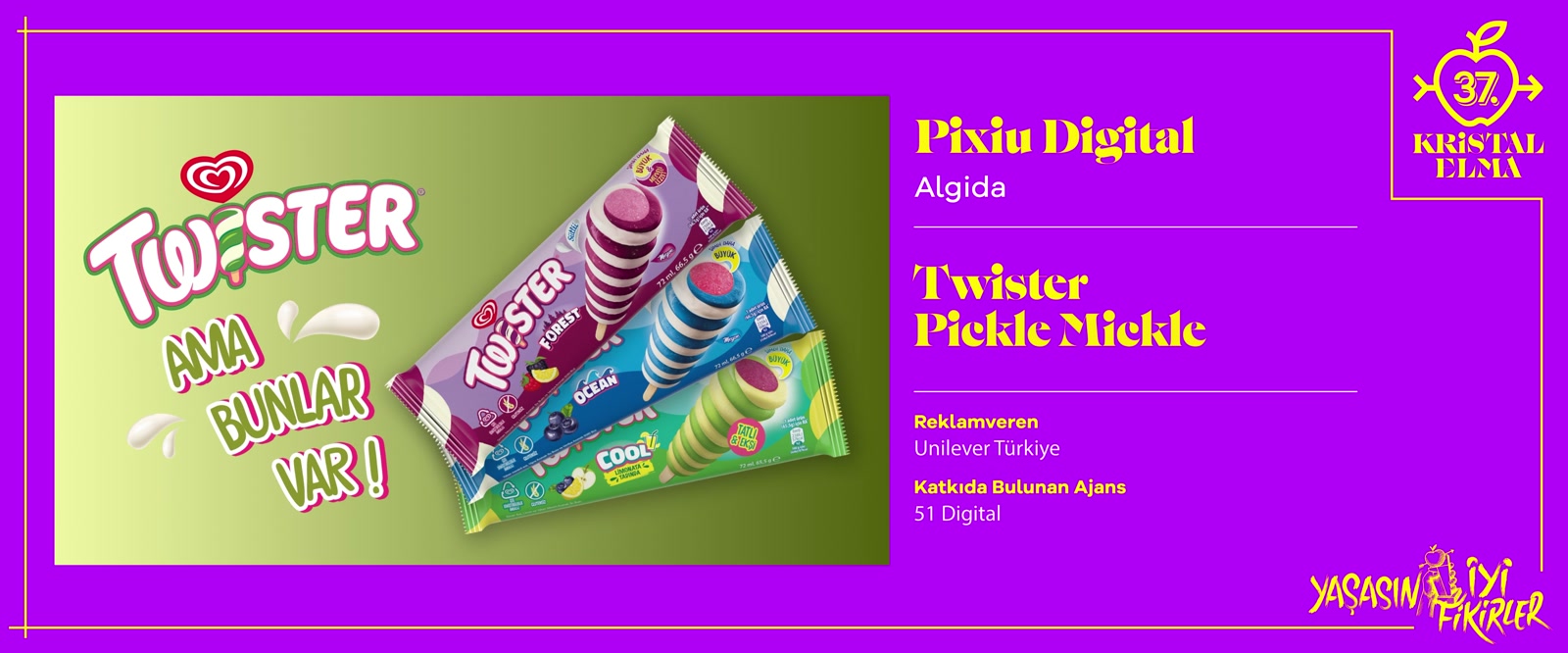
Kristal Elma award show: 280 animations, zero errors, in under ten days.

Live-action shoots
From a one-person shoot to a multi-camera production, scale is not the issue. I build and run whatever crew the job needs. Cast, kit and schedule follow the work; I take the brief and deliver the film.
Music and live performance
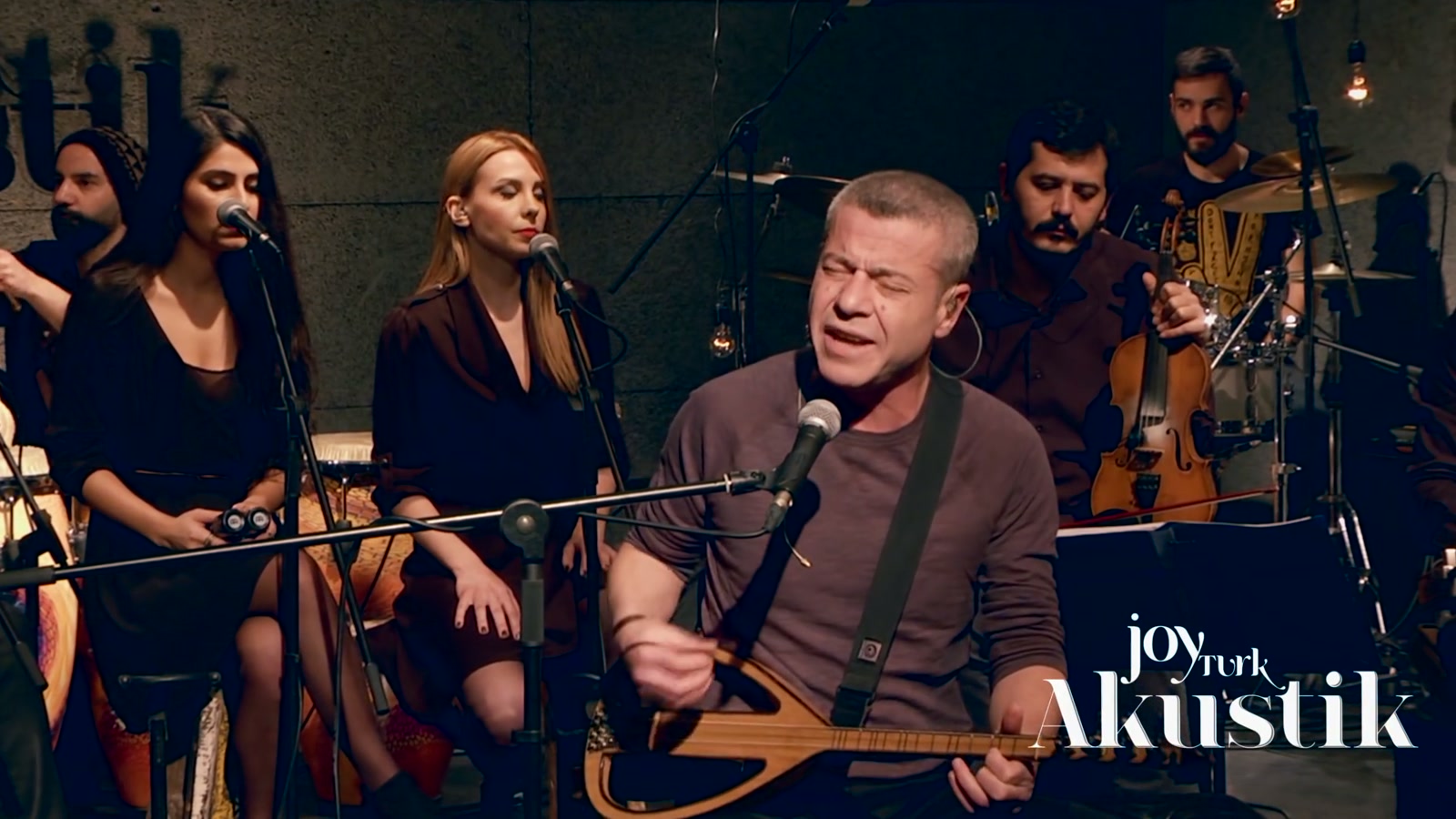
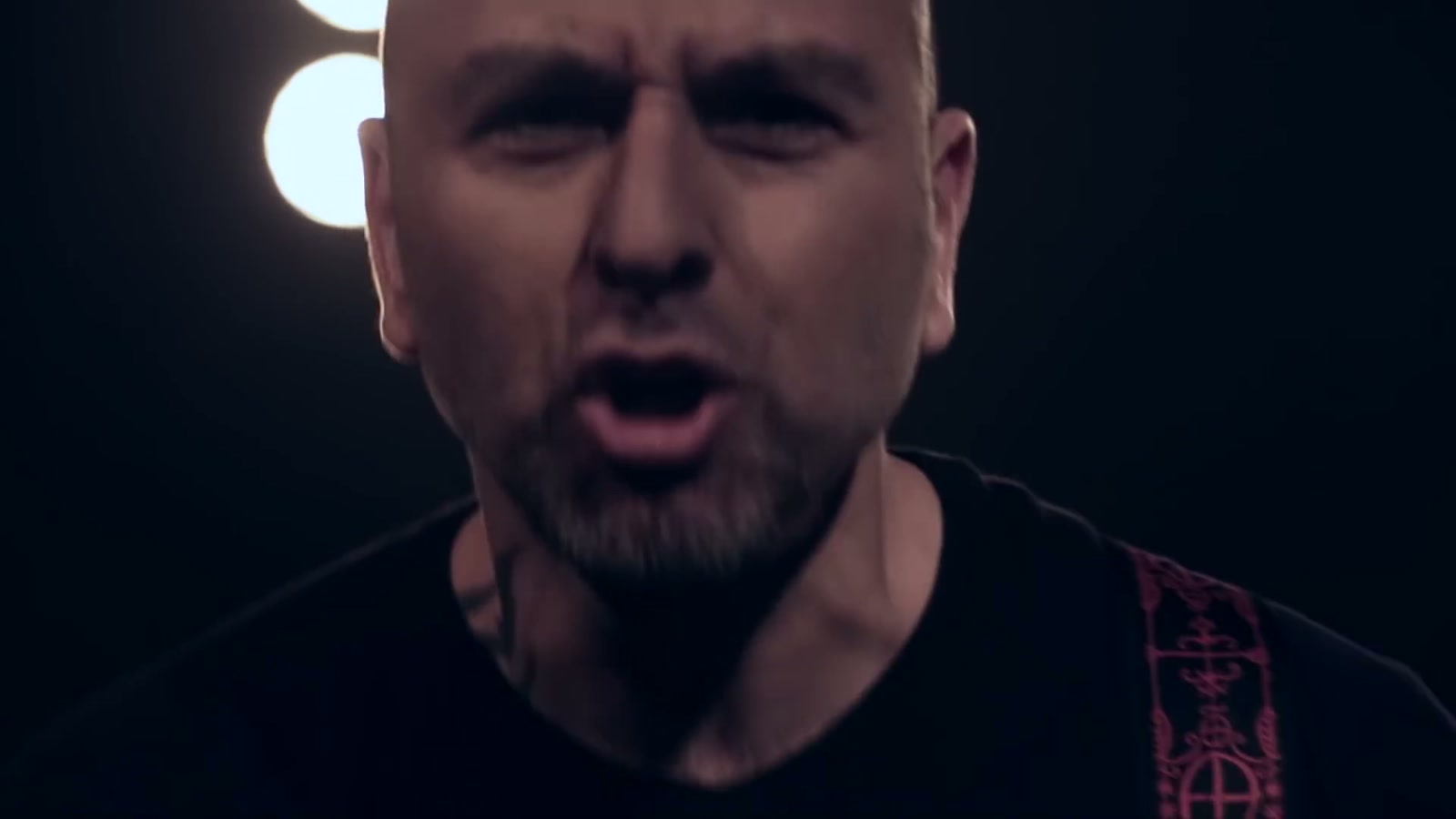
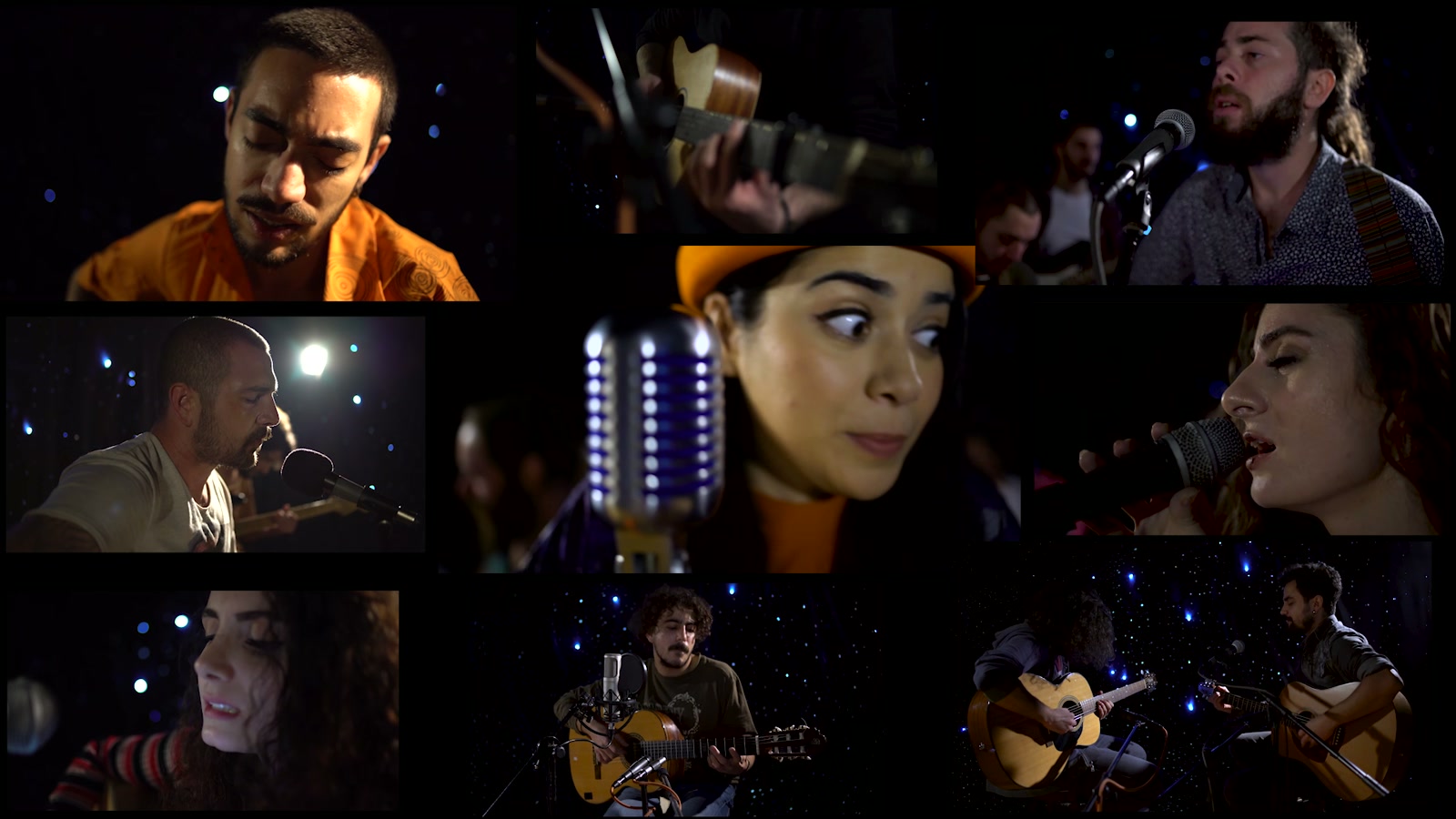
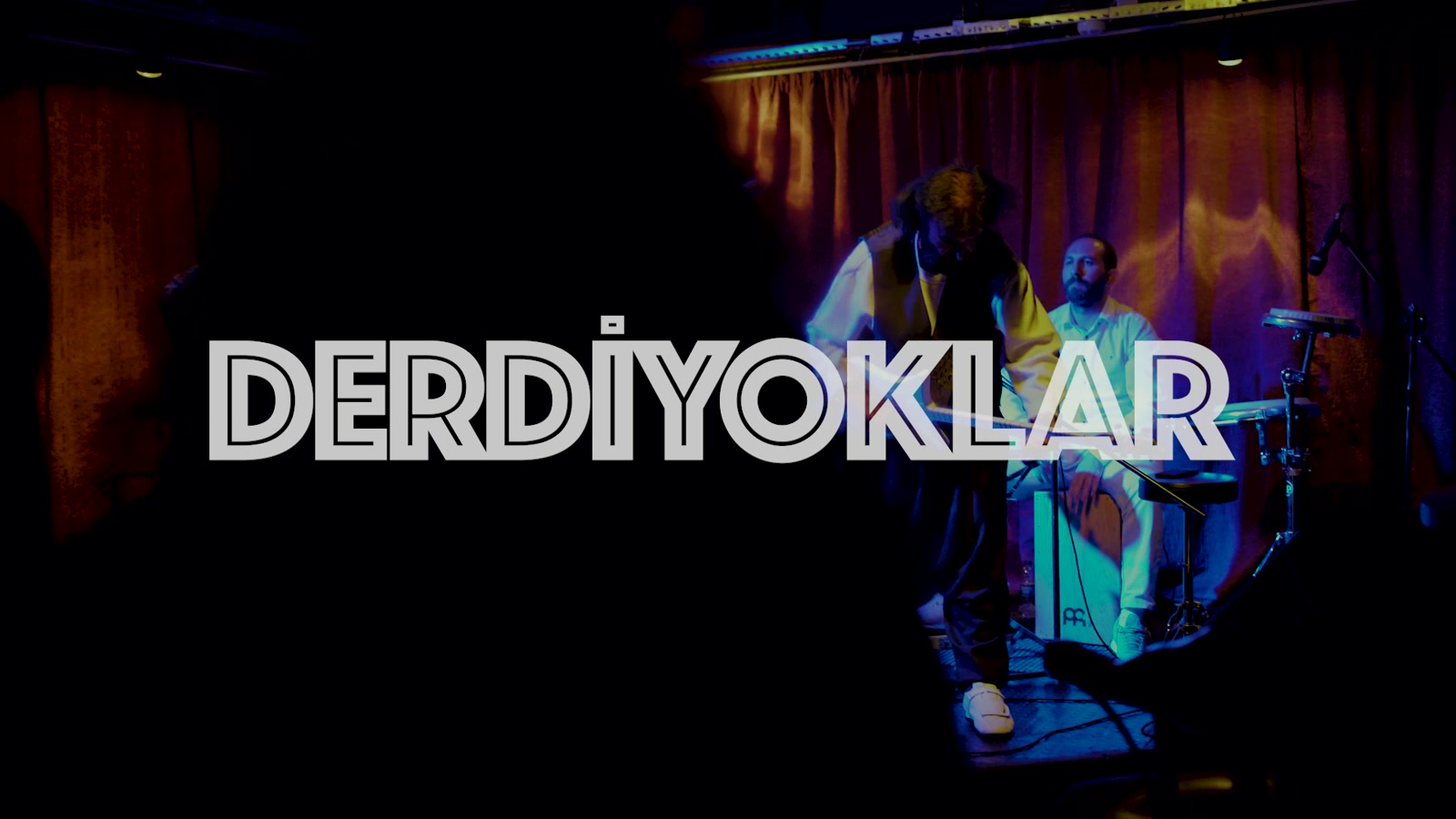
2014–2019I spent three seasons at JoyTurk Akustik as gaffer and cinematographer; most of Turkey’s best-known musicians passed through that studio. Başka Şarkılar was an archive channel recording live performances by independent musicians; I was a co-founder and its programme director.
Short film
2012–2020Between 2012 and 2019 I worked on many short films as cinematographer, gaffer and camera operator.
Brand identity
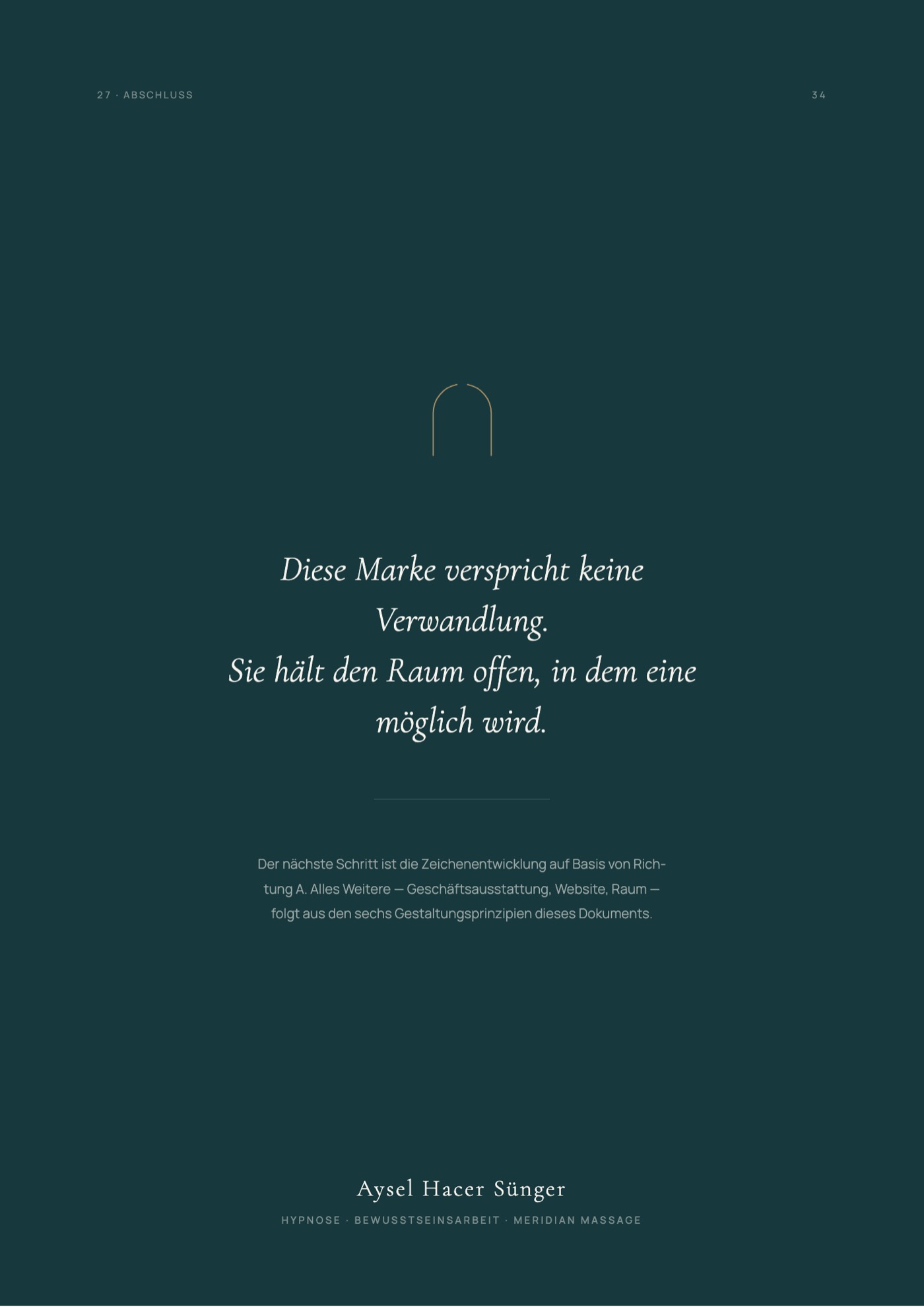
A brand identity built from scratch for a personal brand based in Germany. The job did not start with a logo. First came a 34-page creative direction document, in German and Turkish.
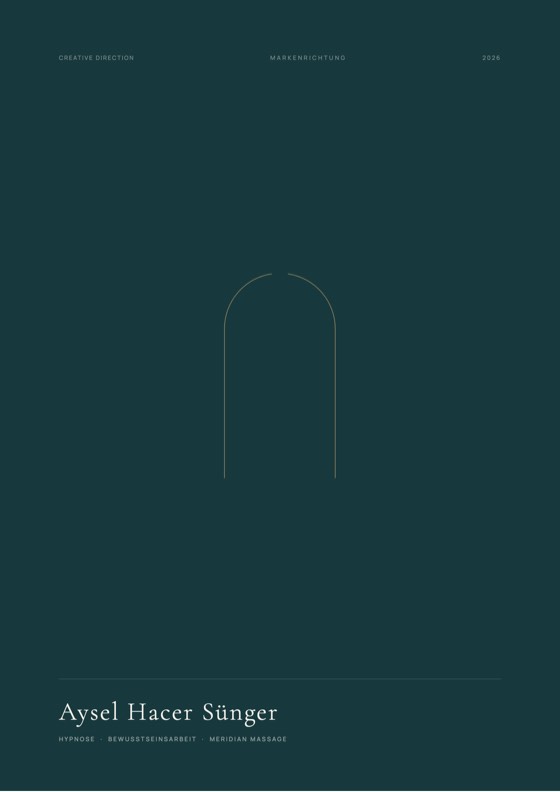
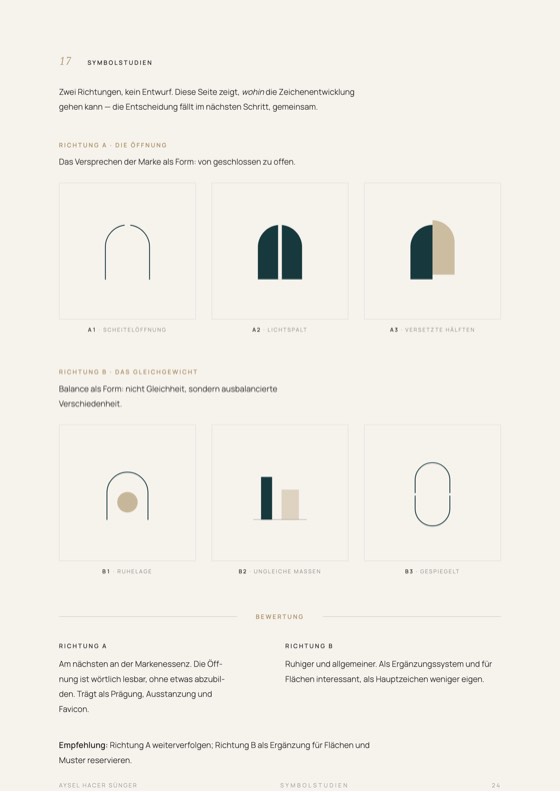
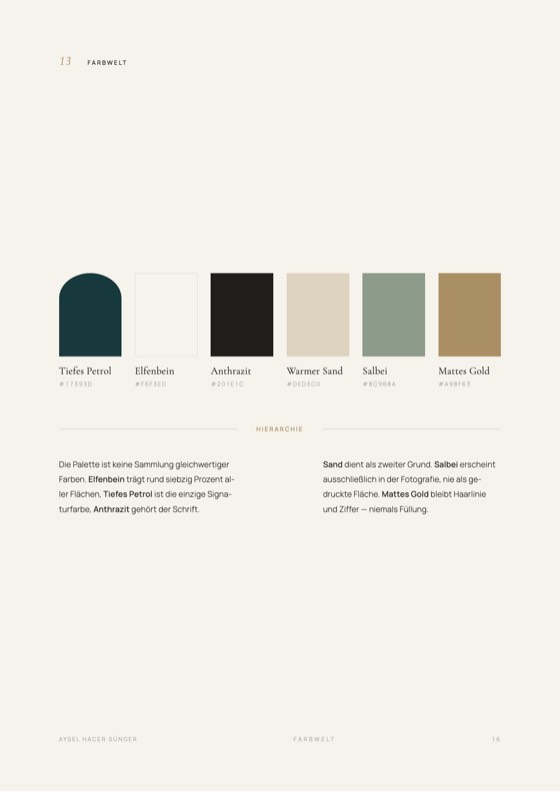
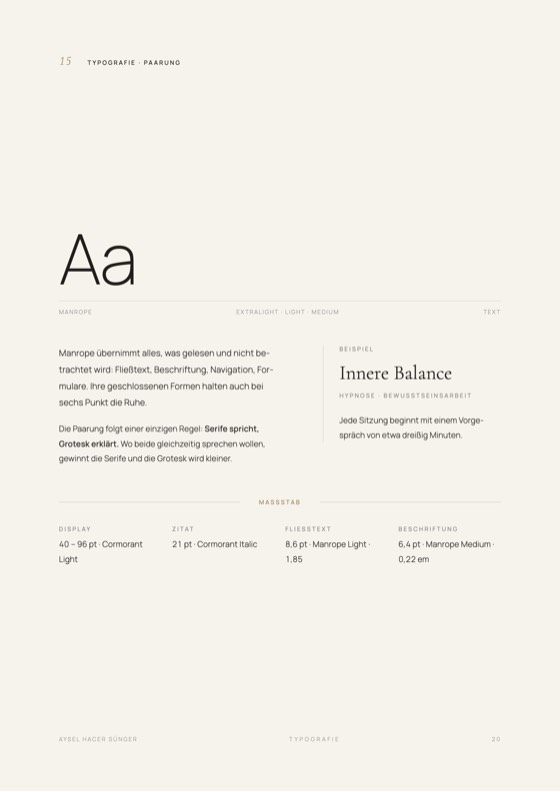
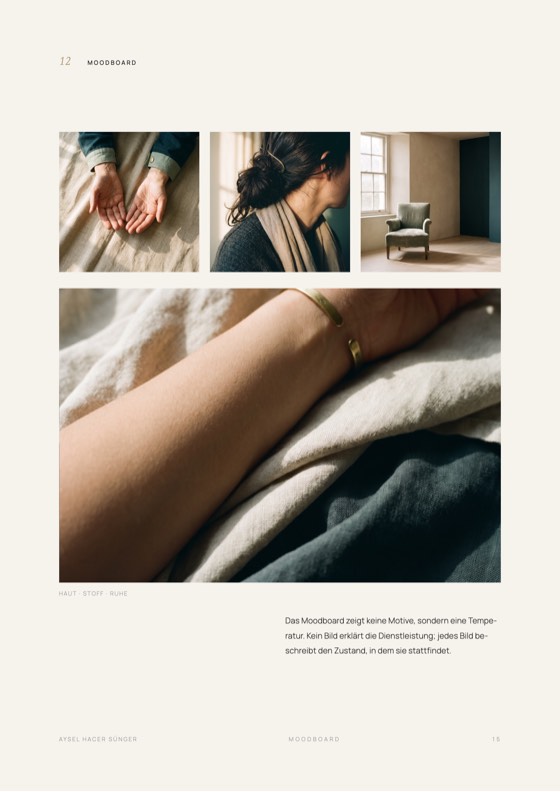
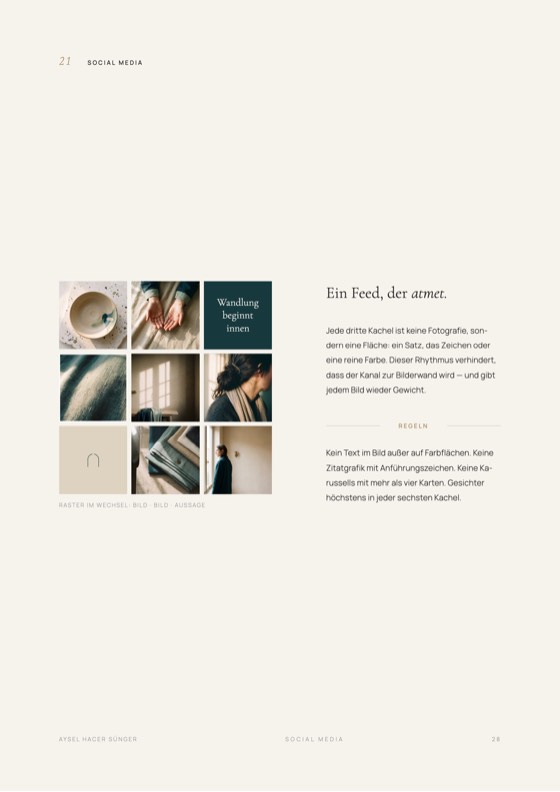
The full guide · 34 pages
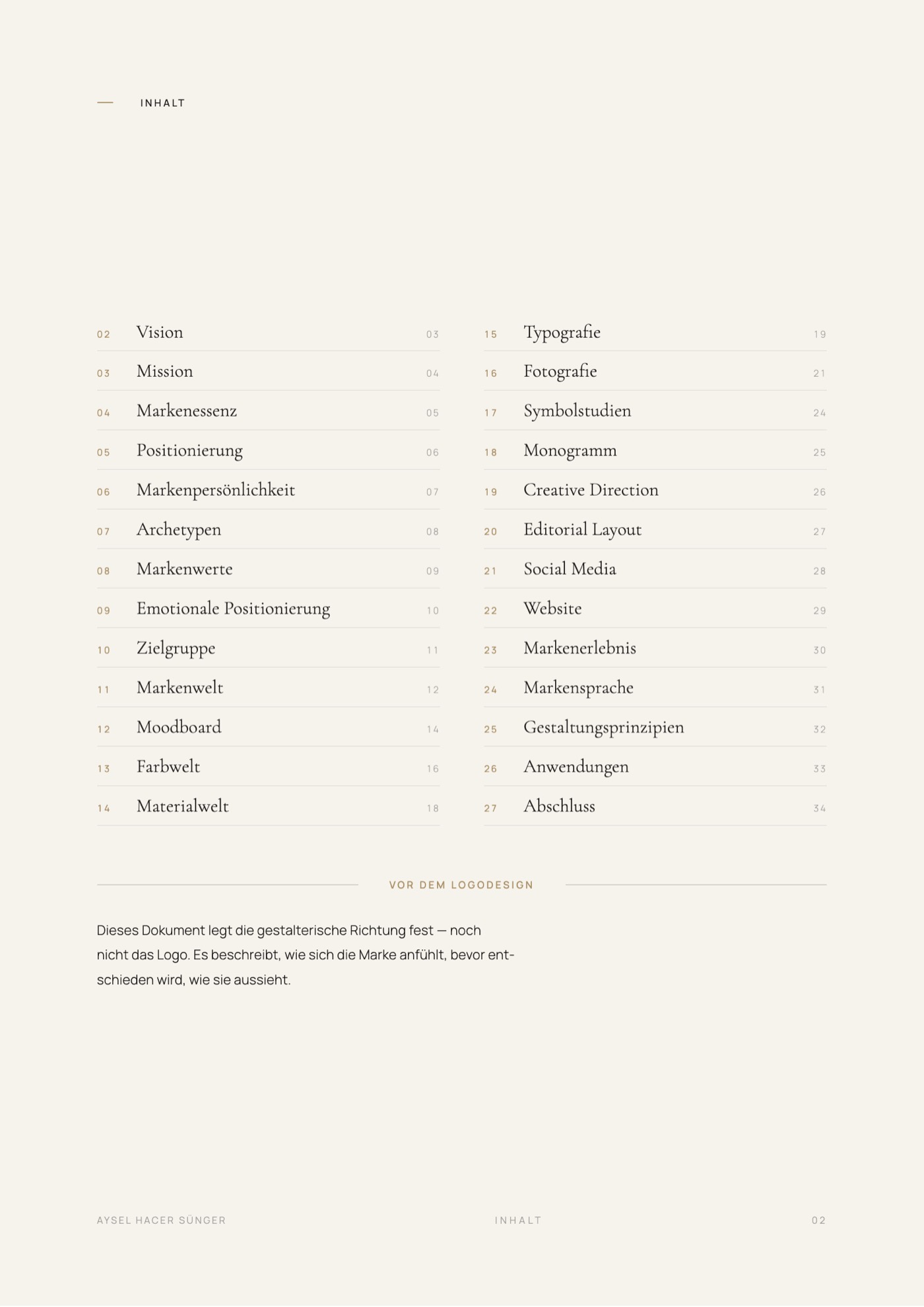
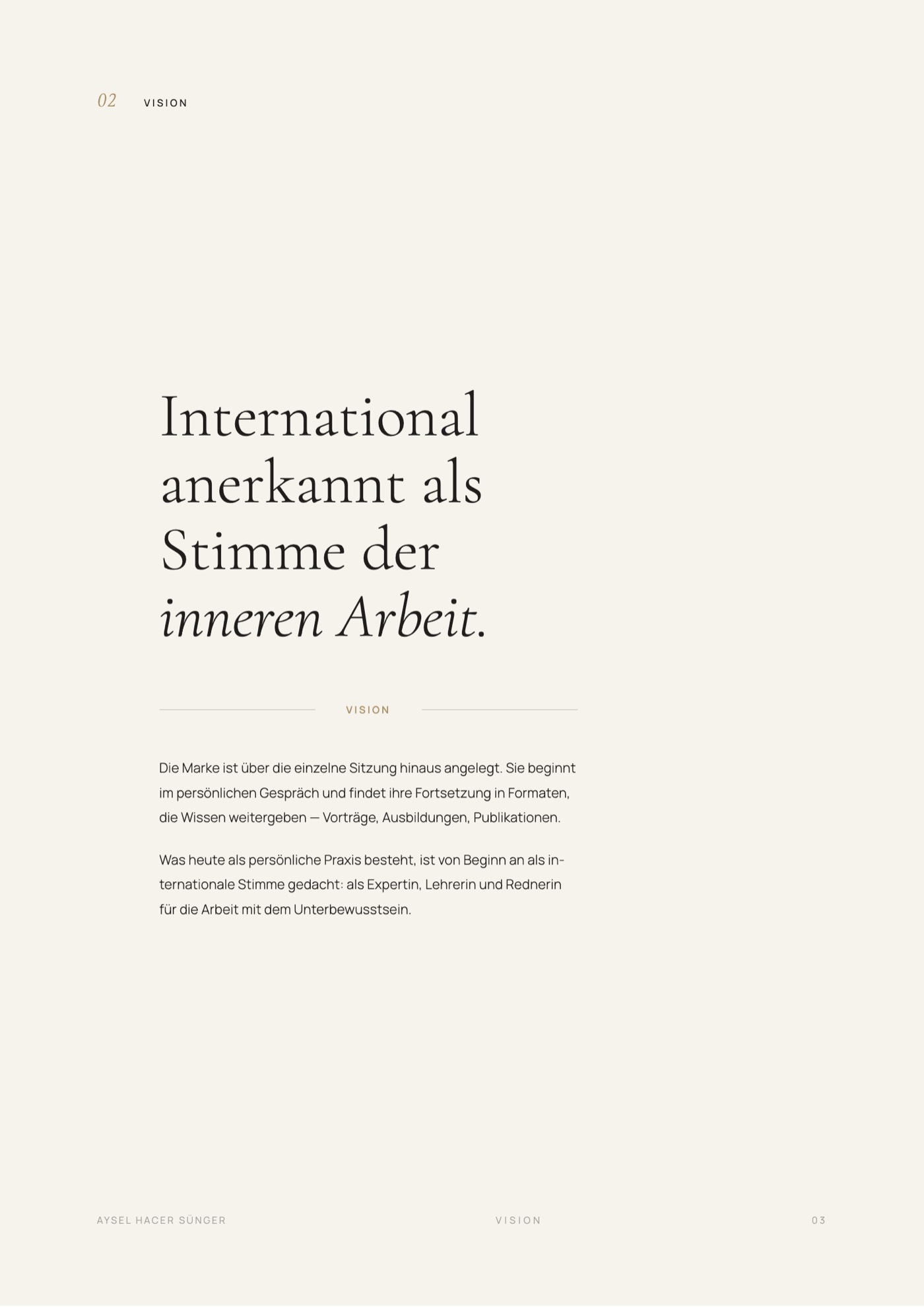
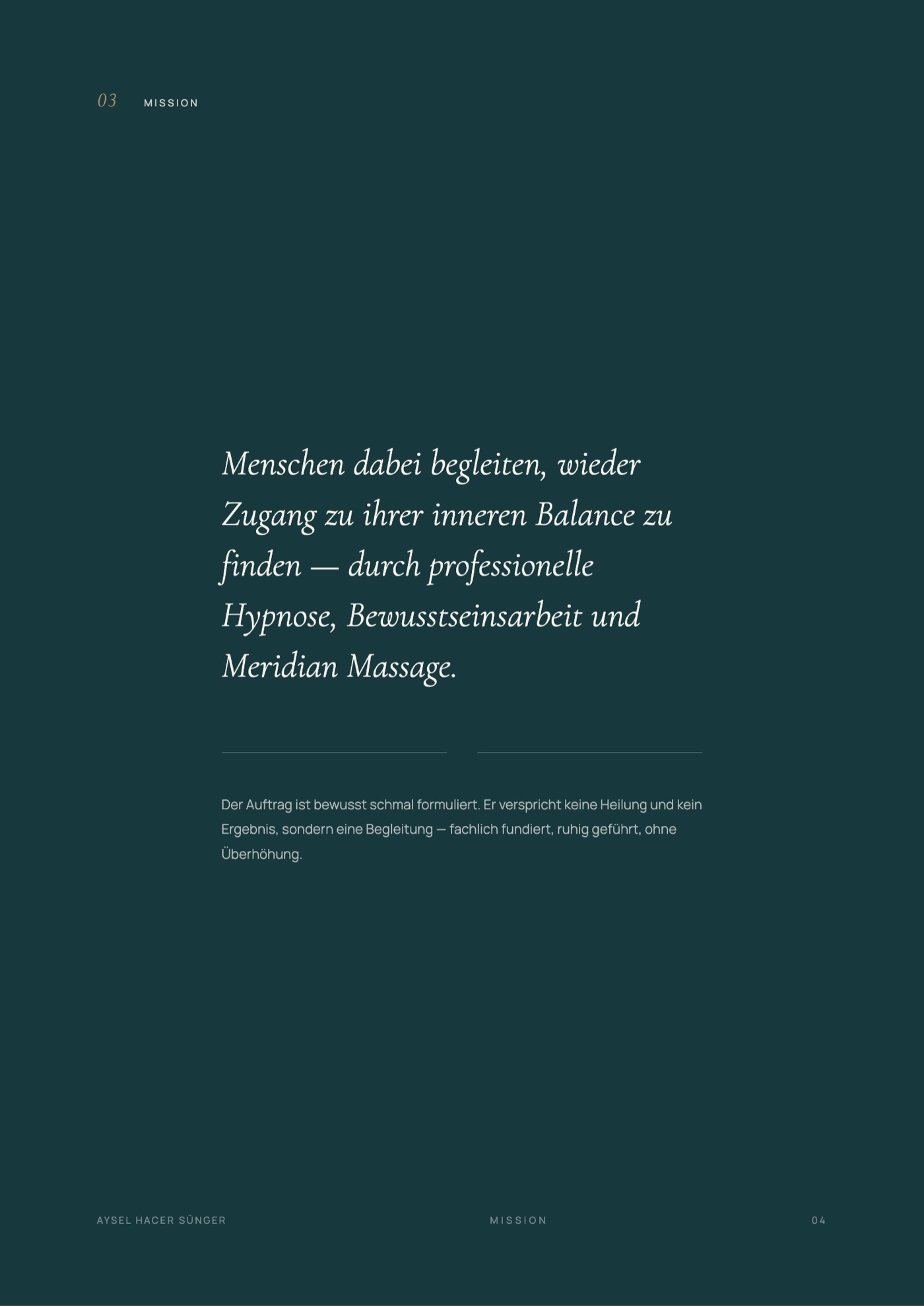
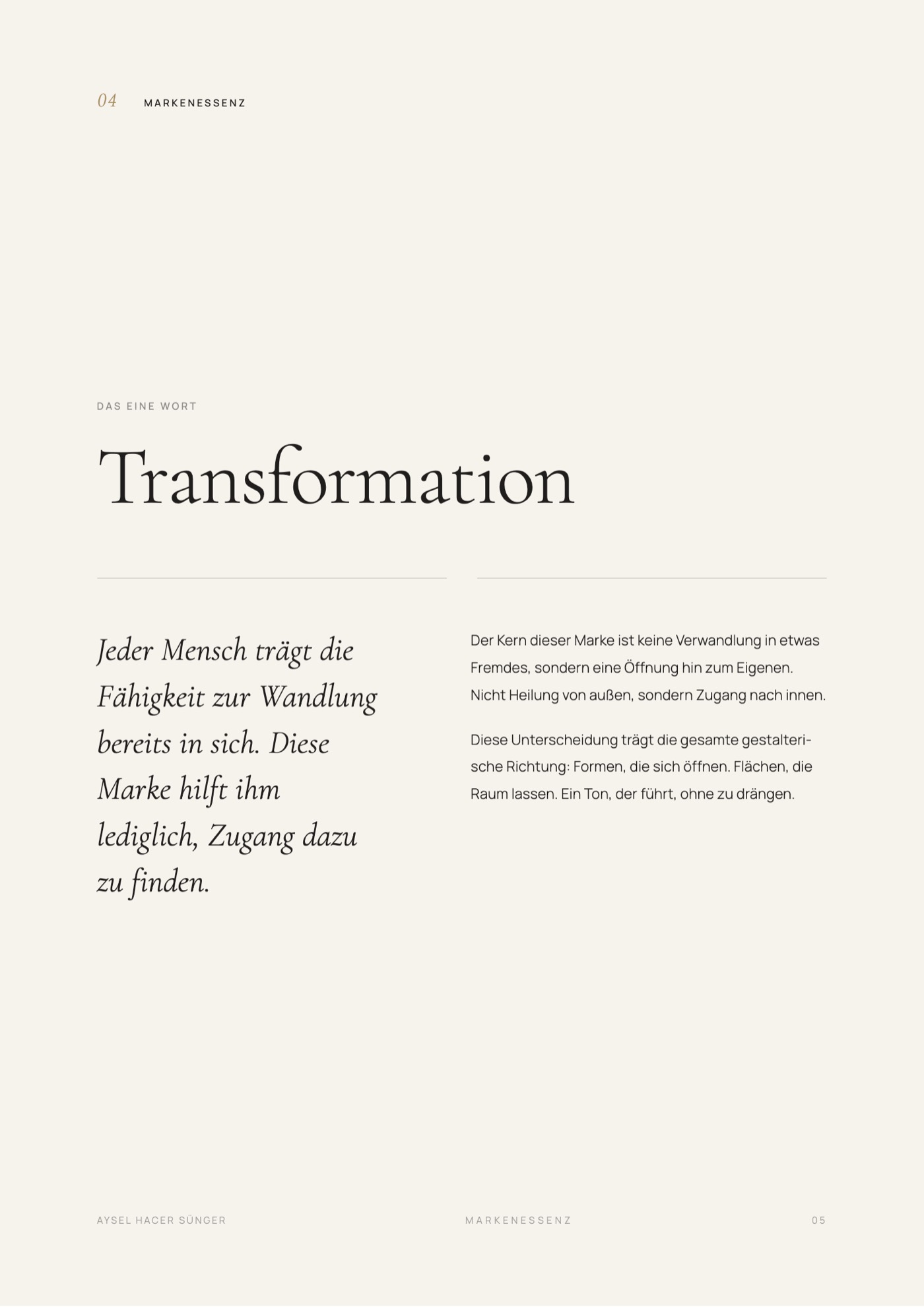
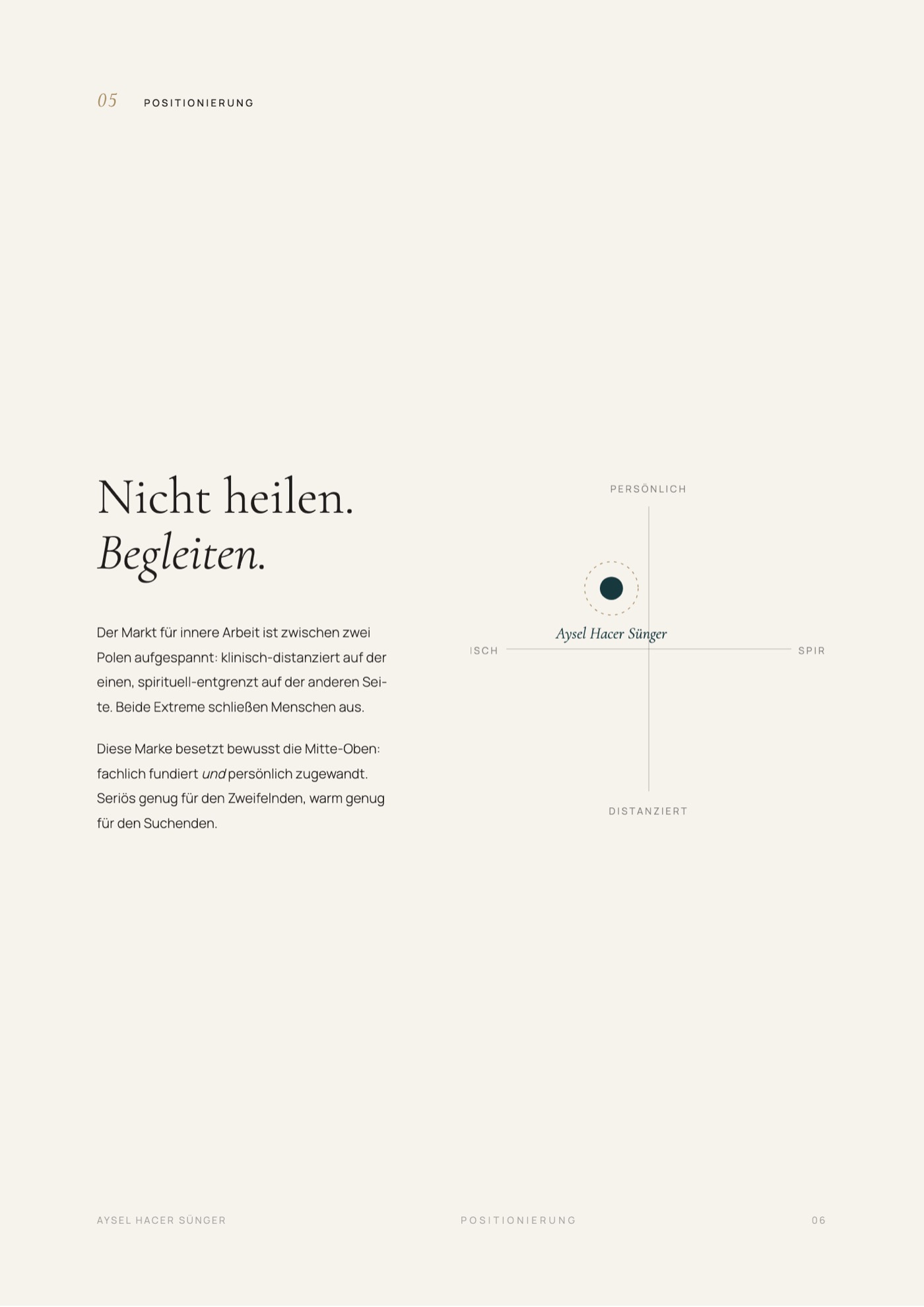
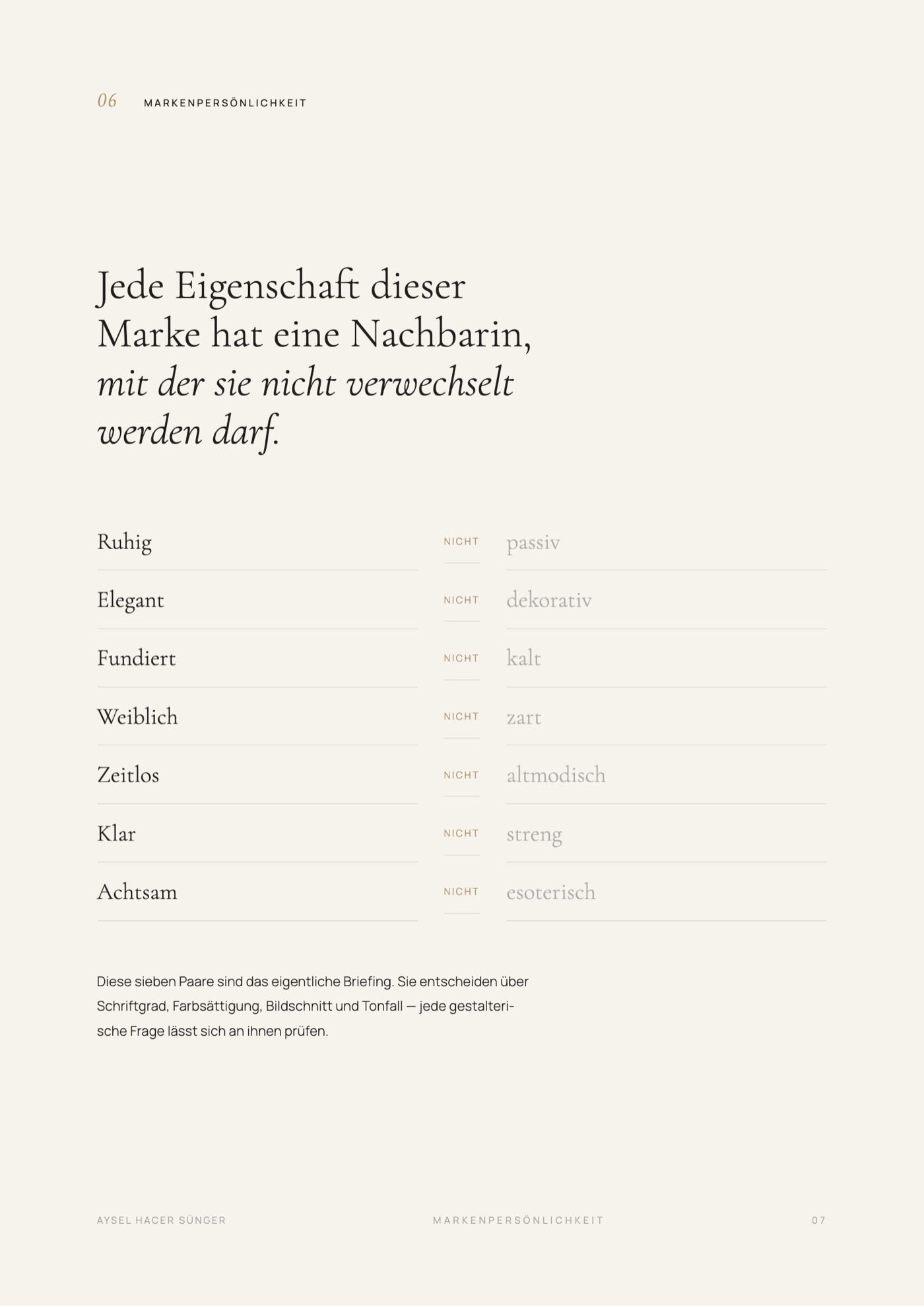
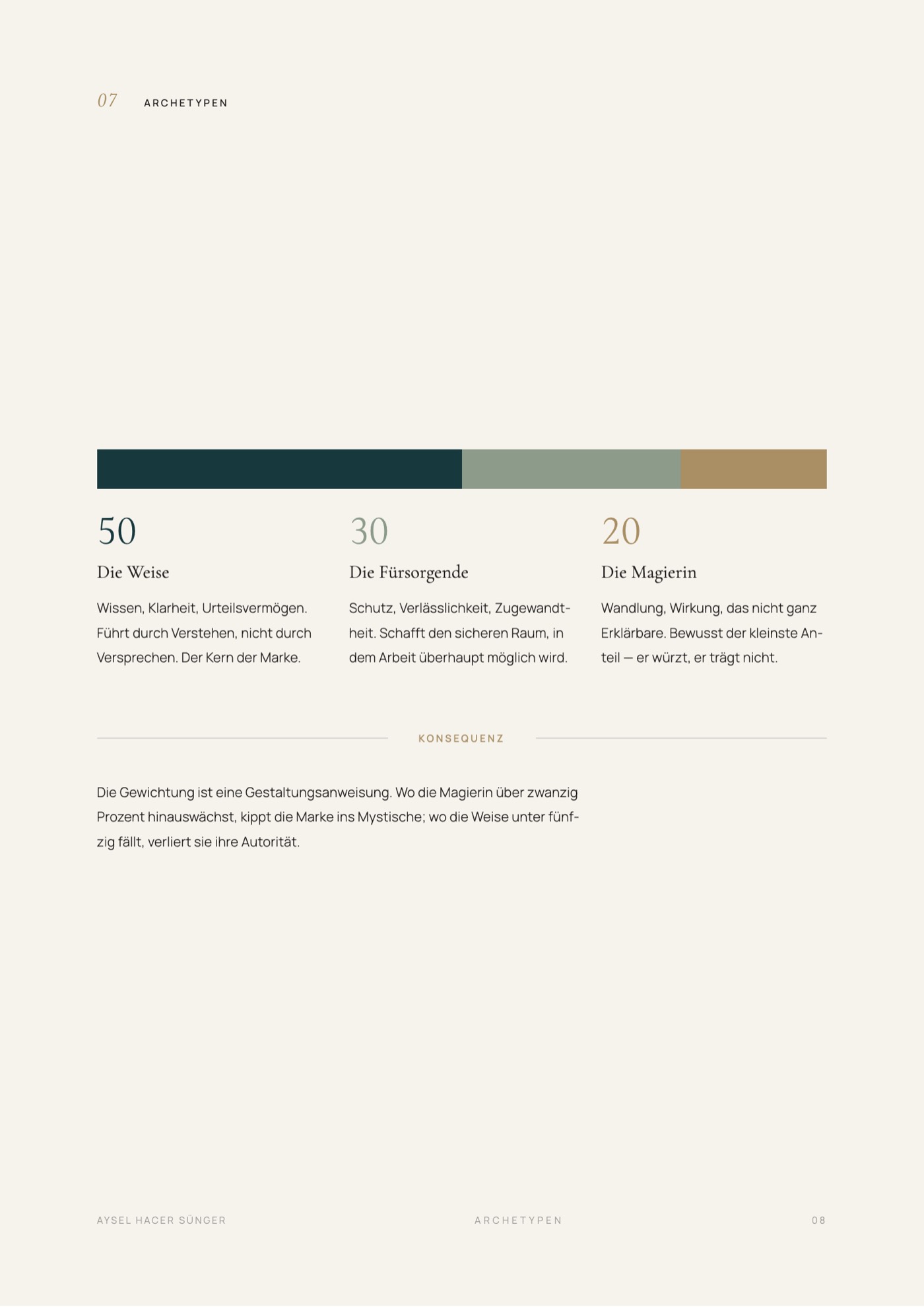
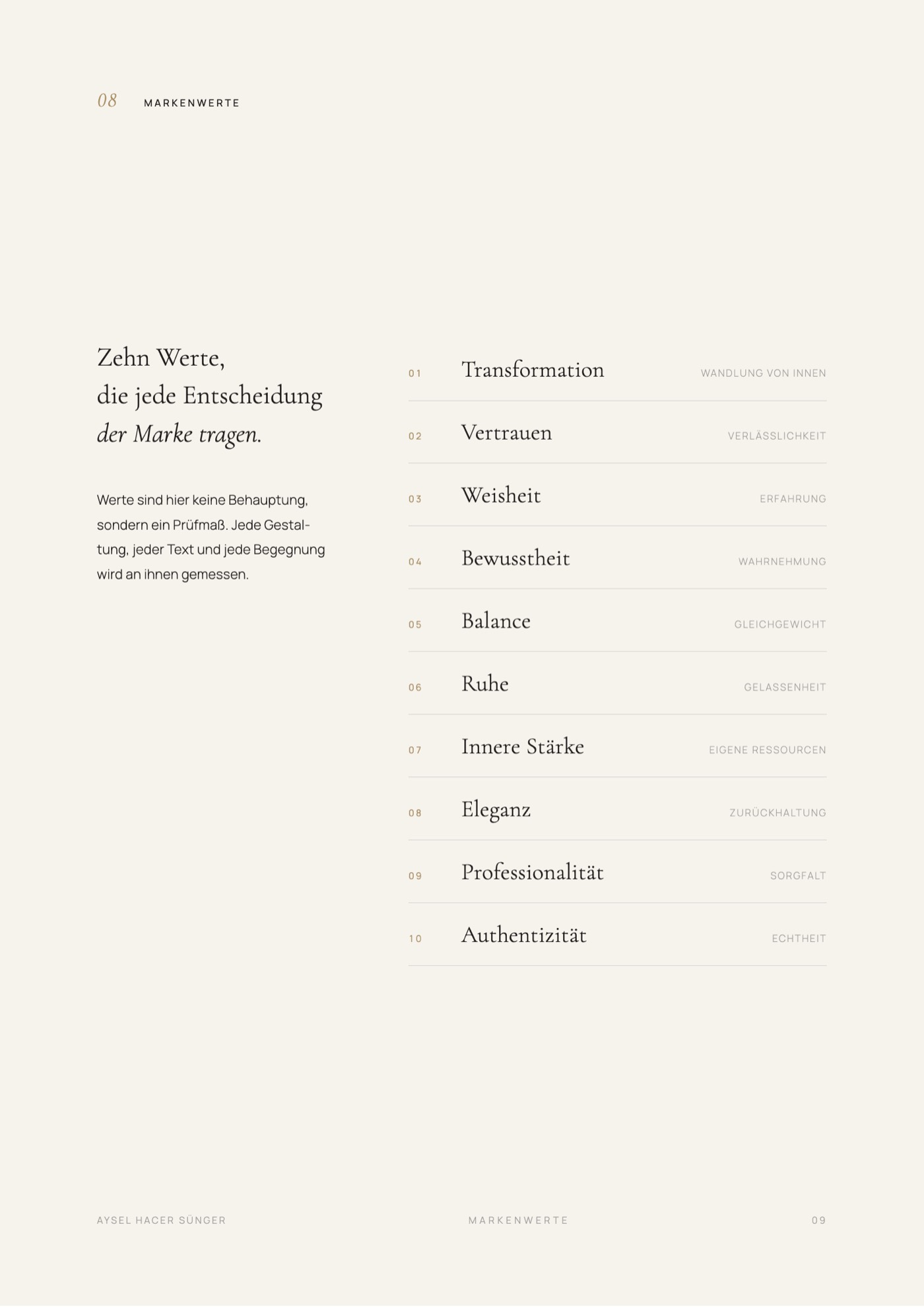
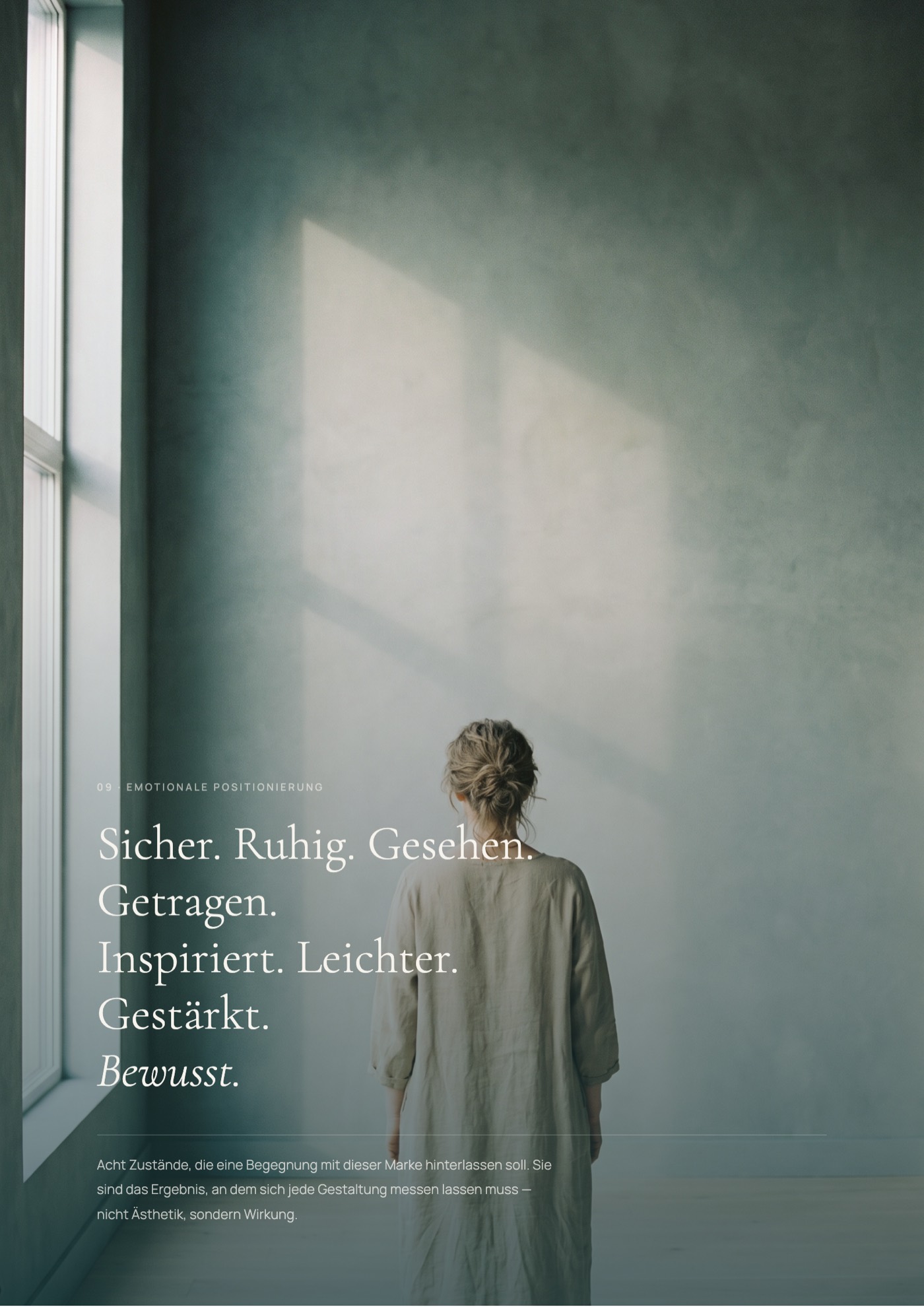
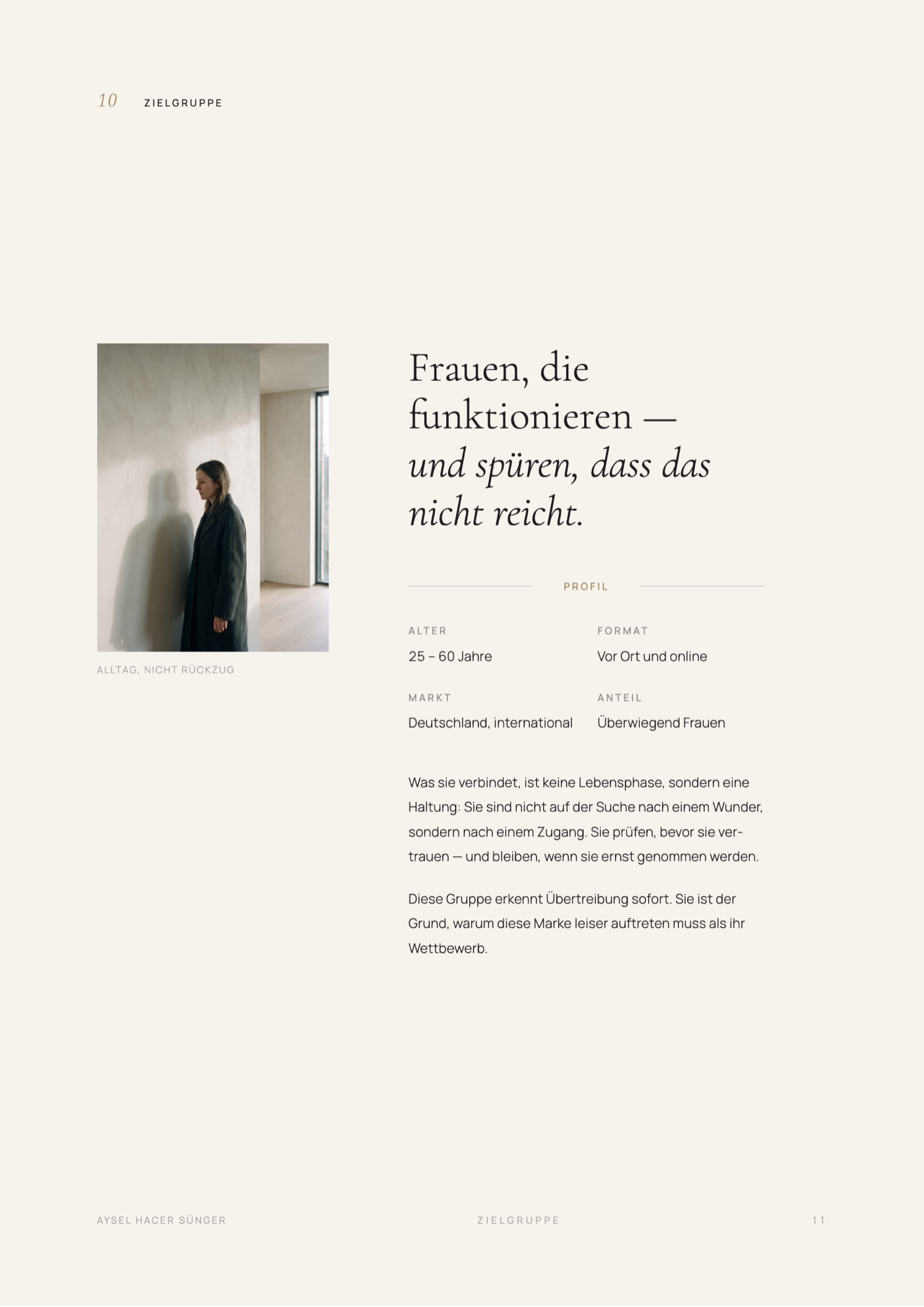
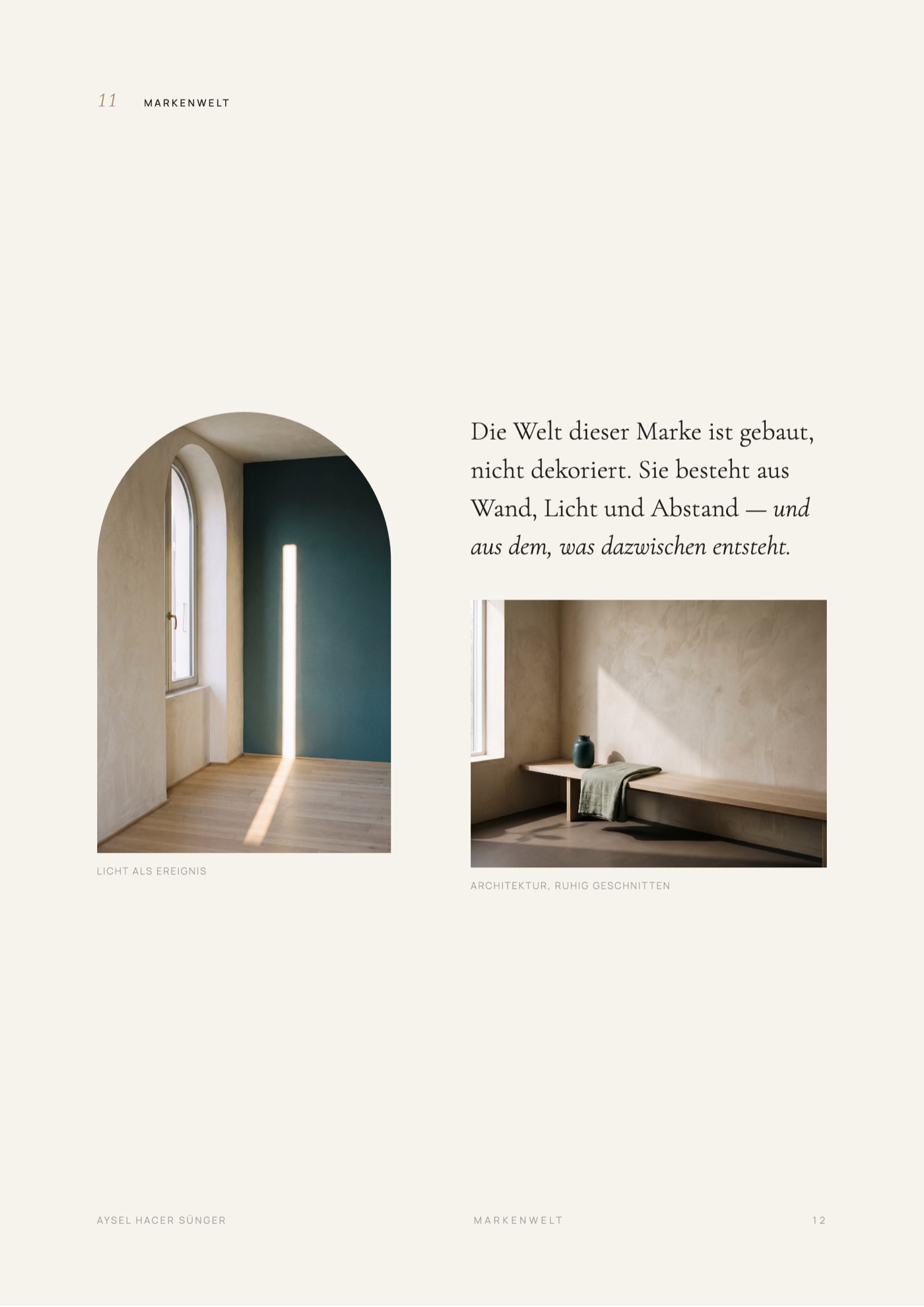
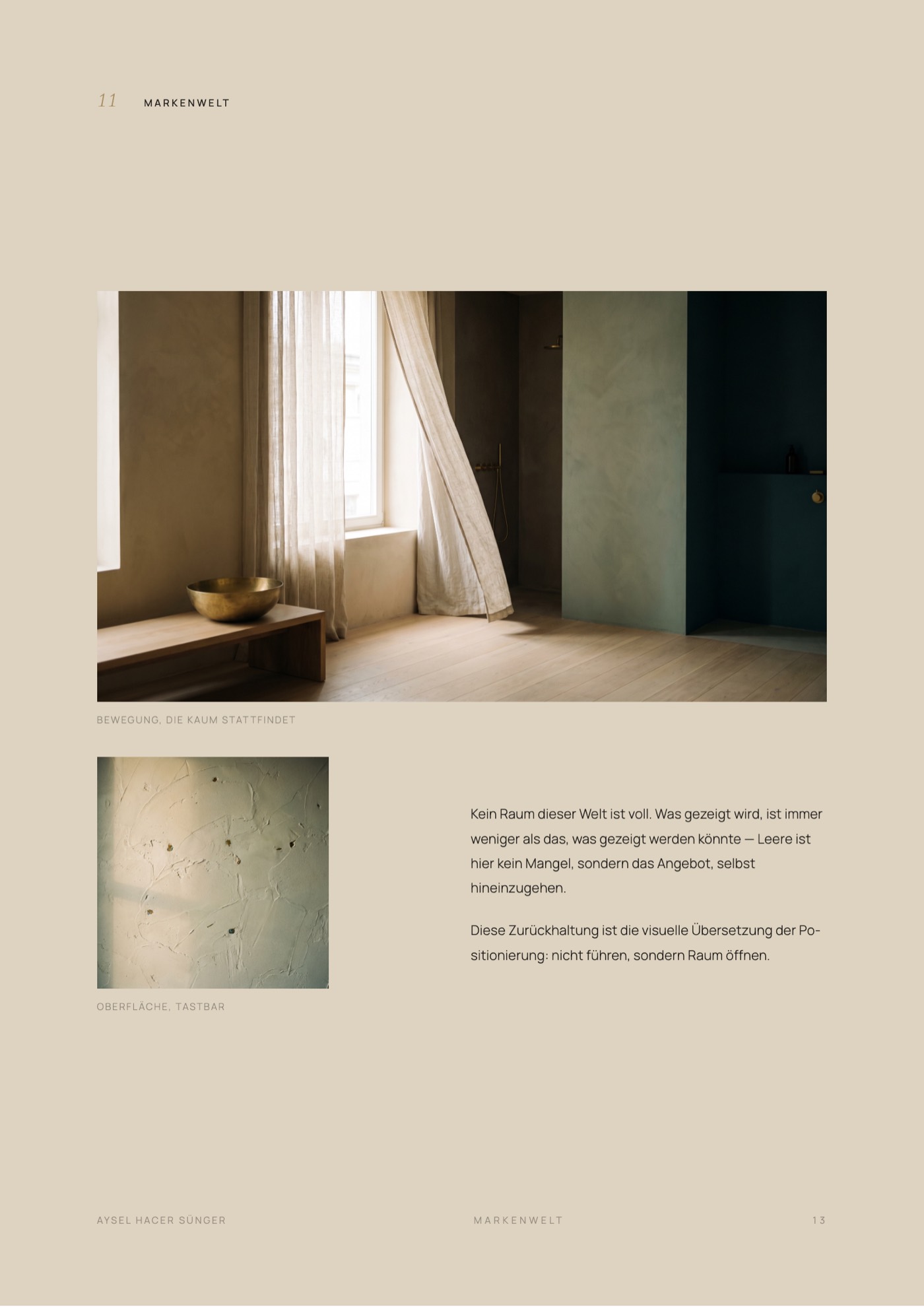
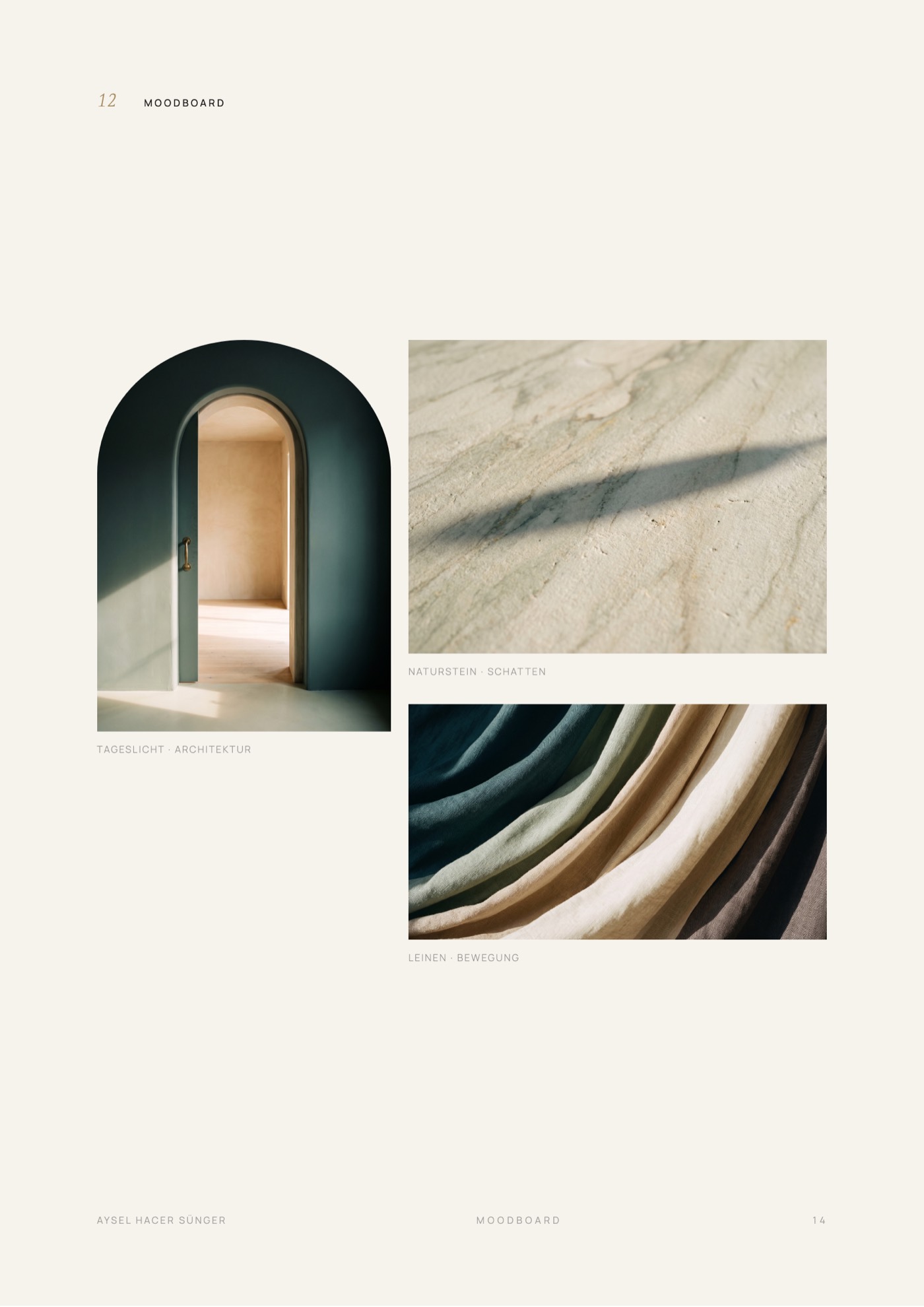
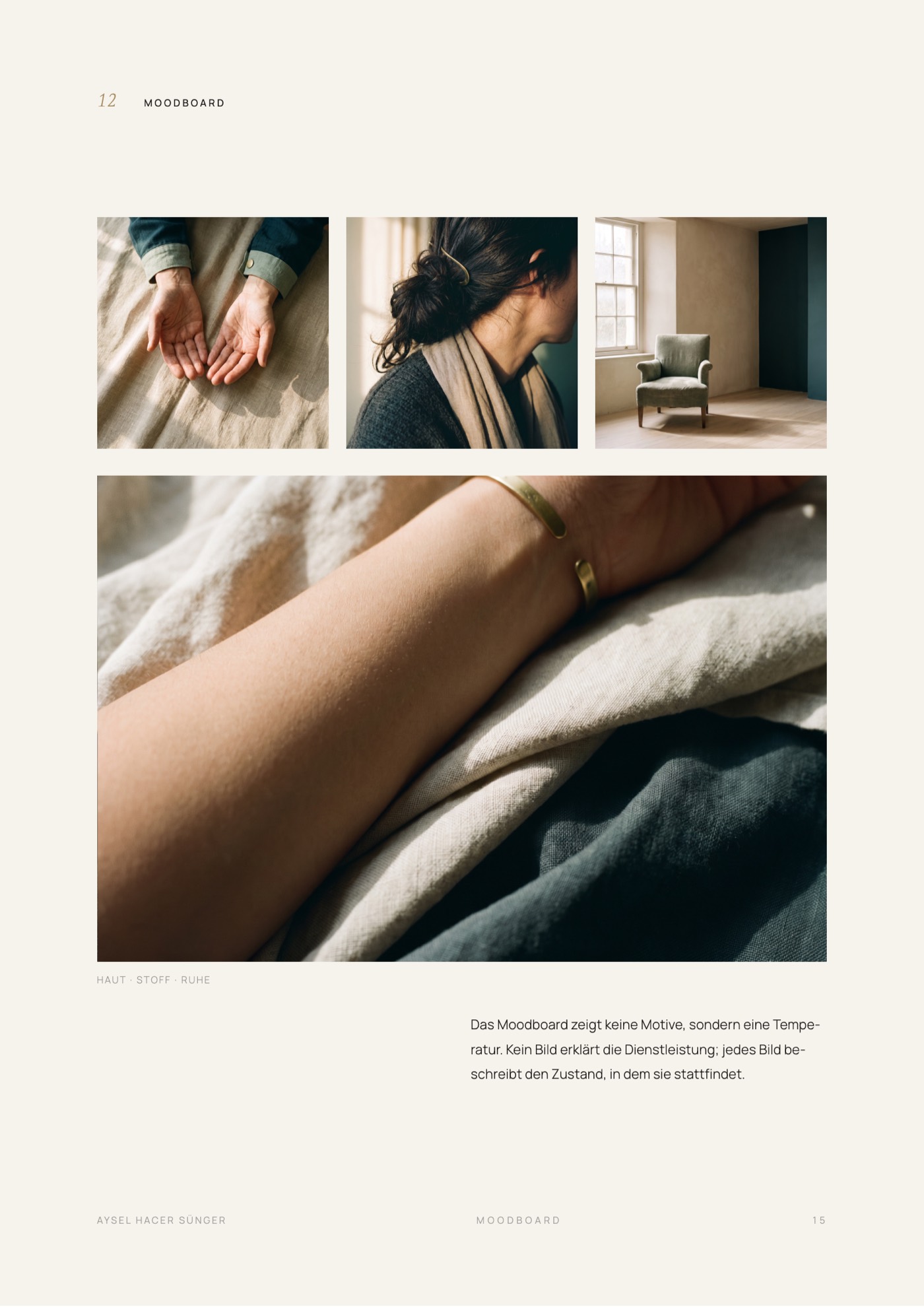
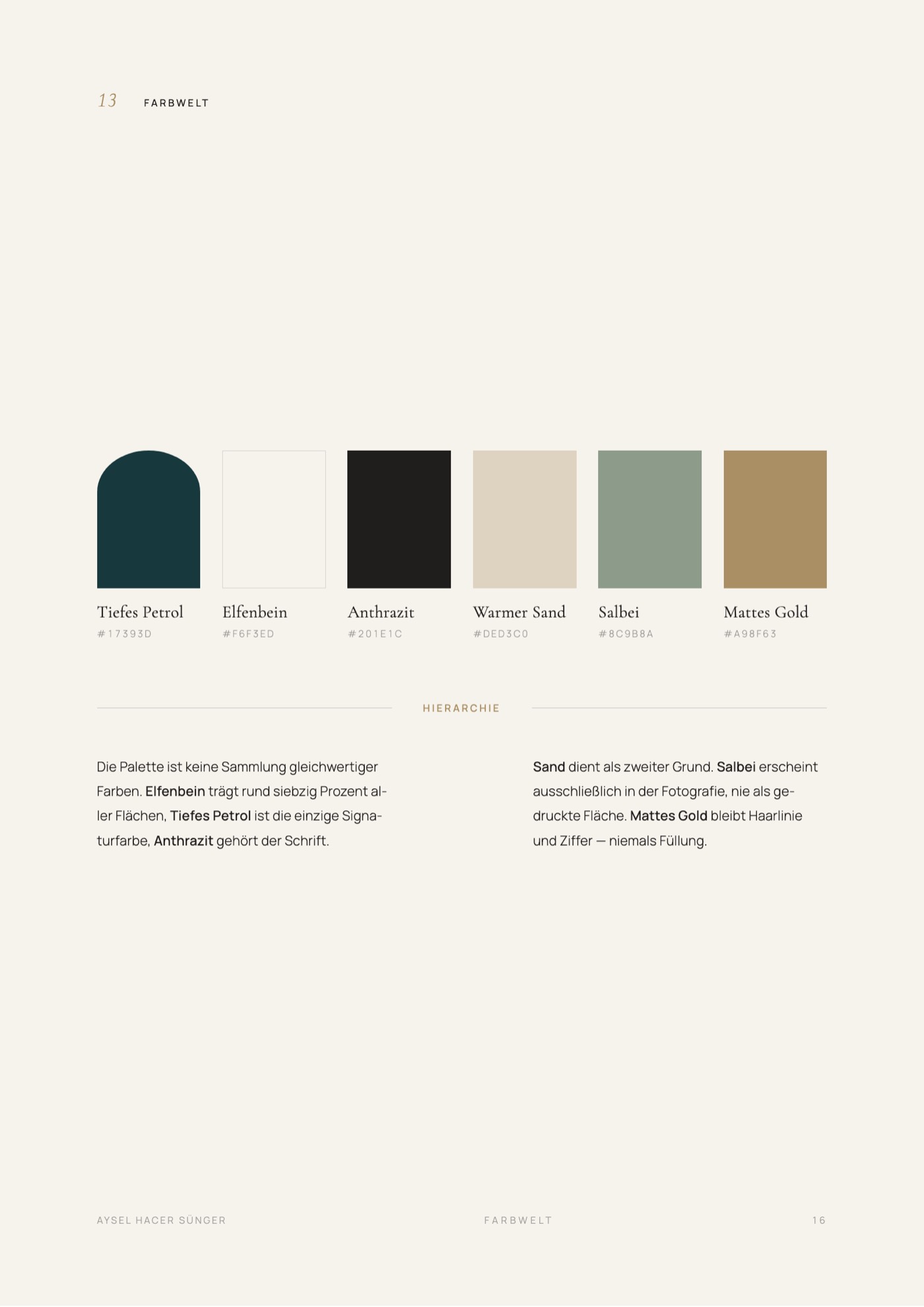
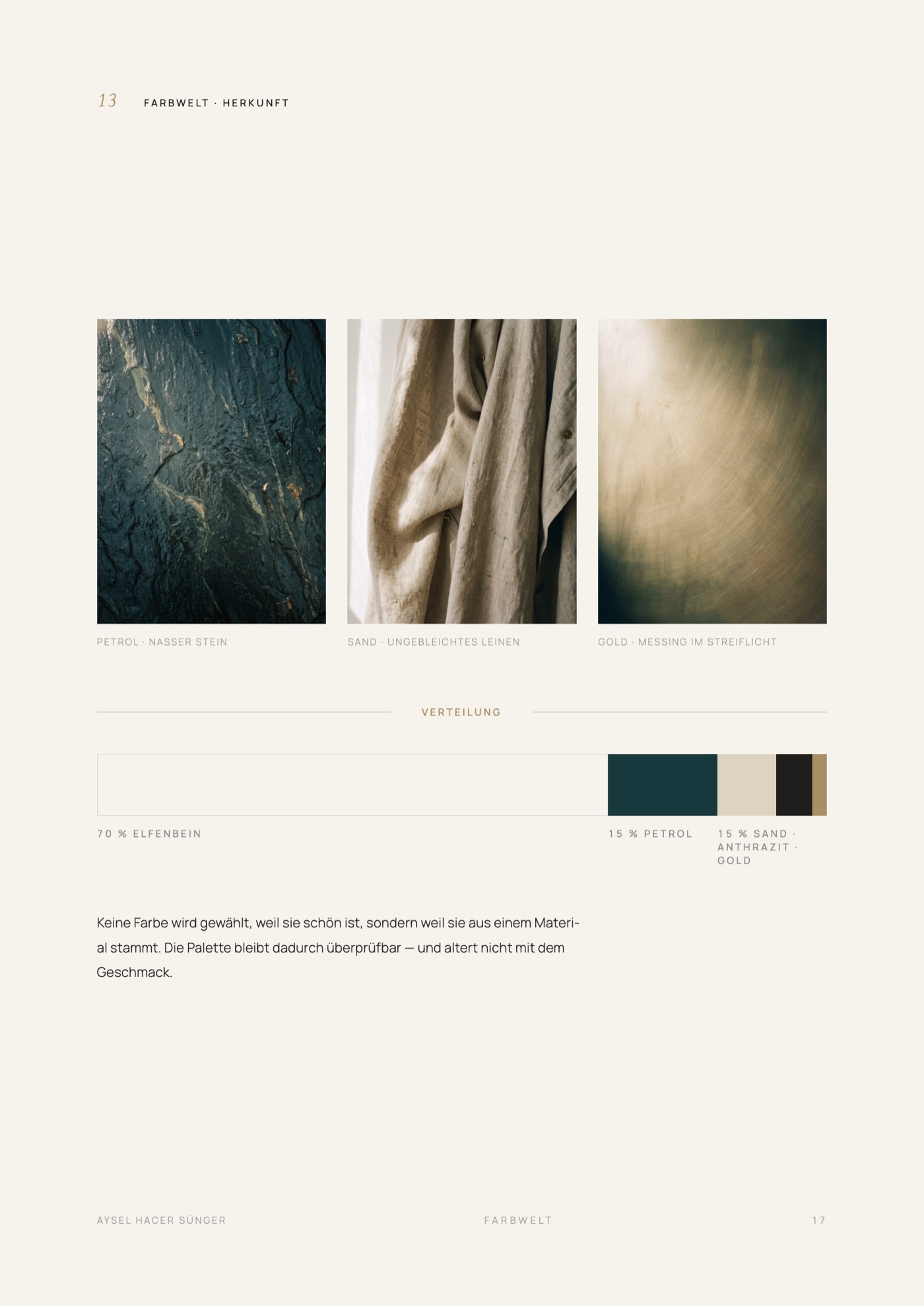
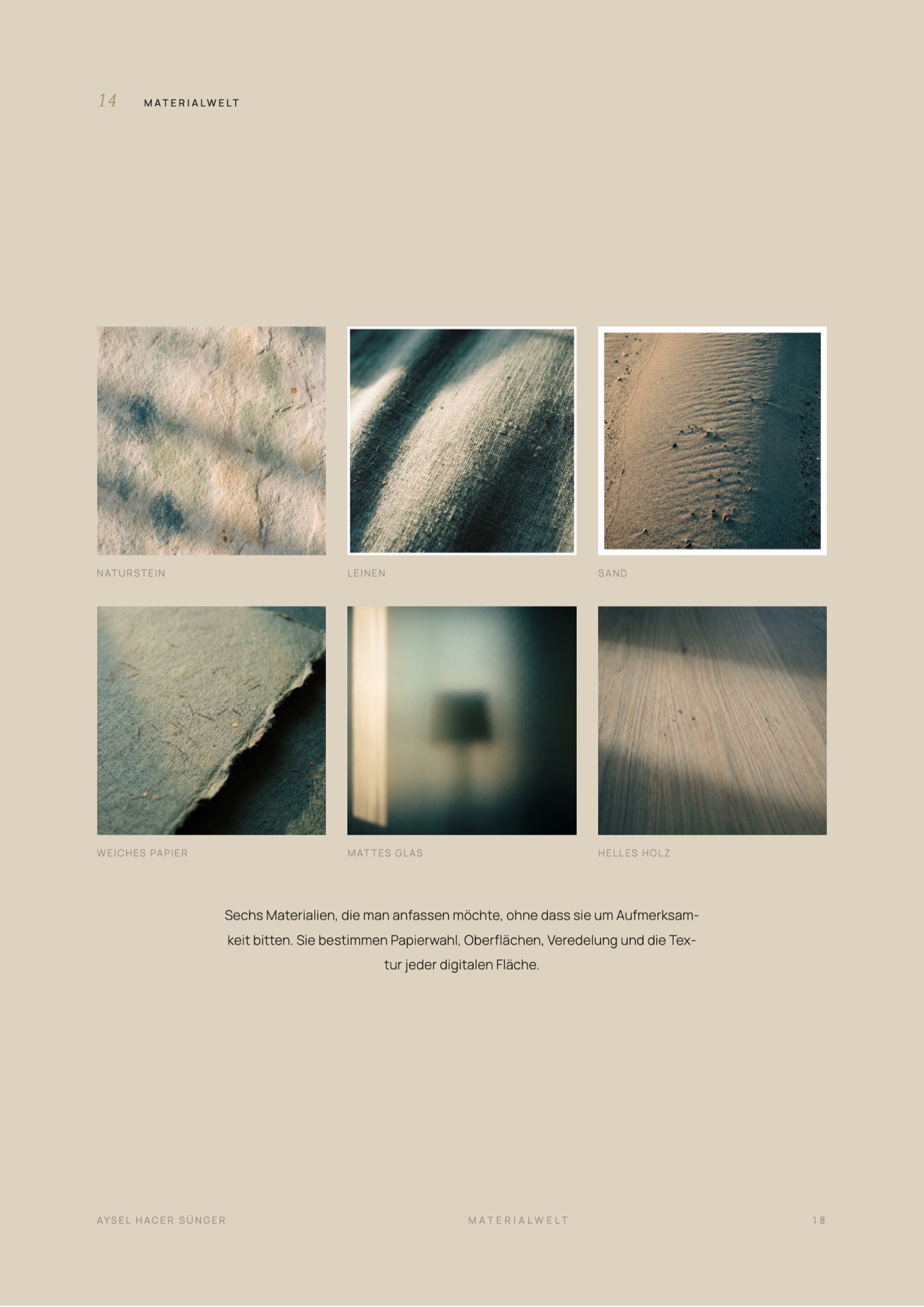
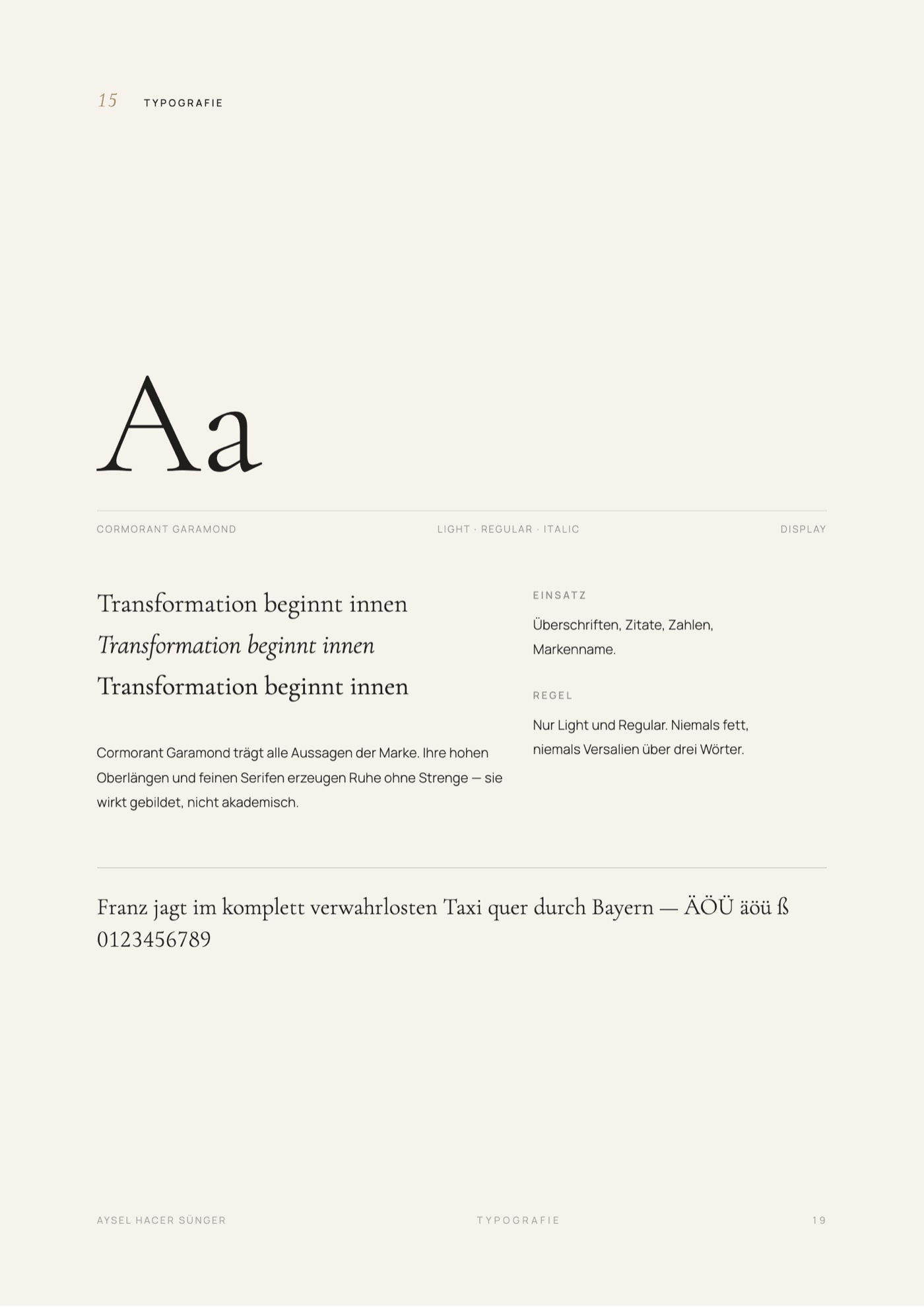
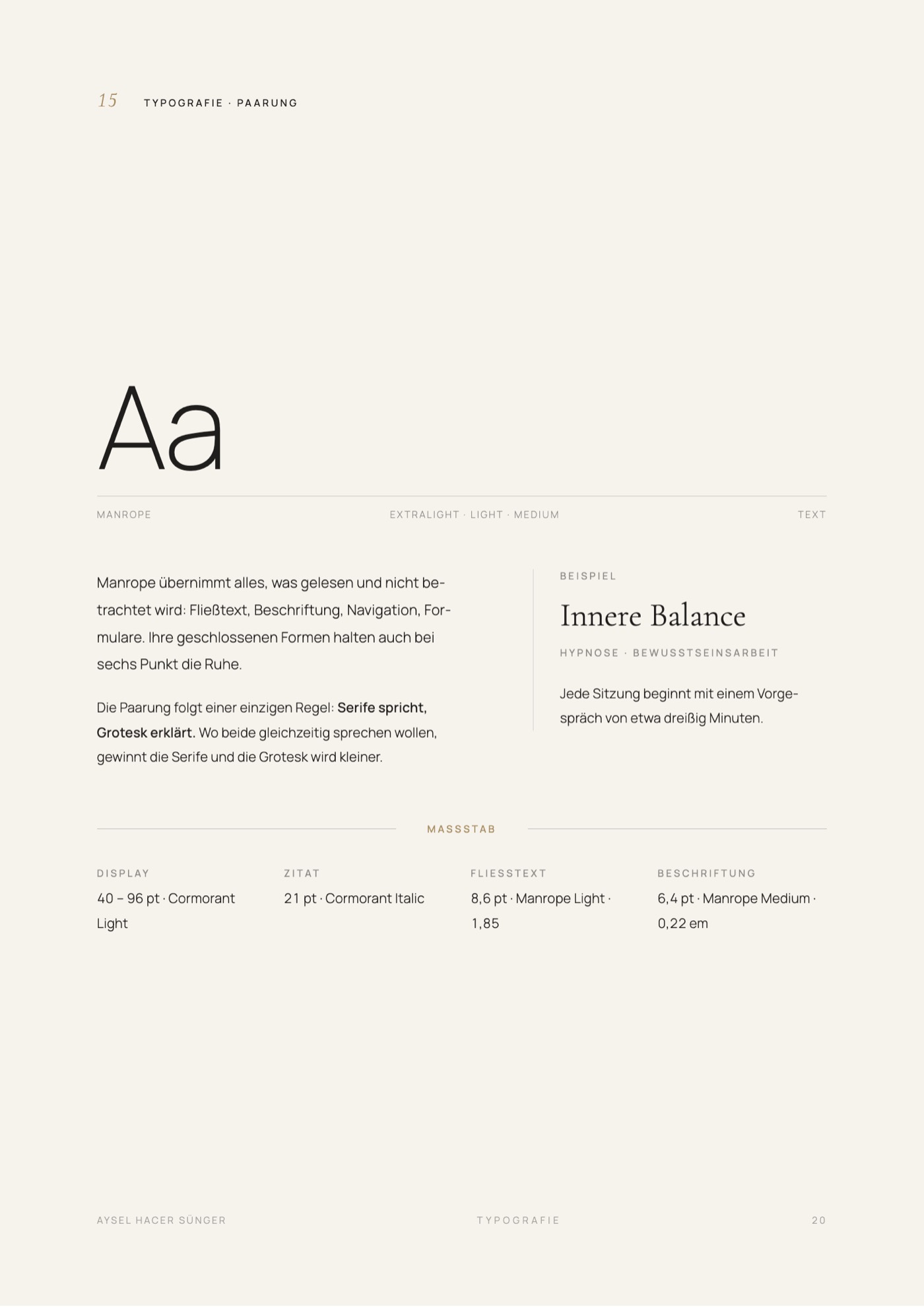
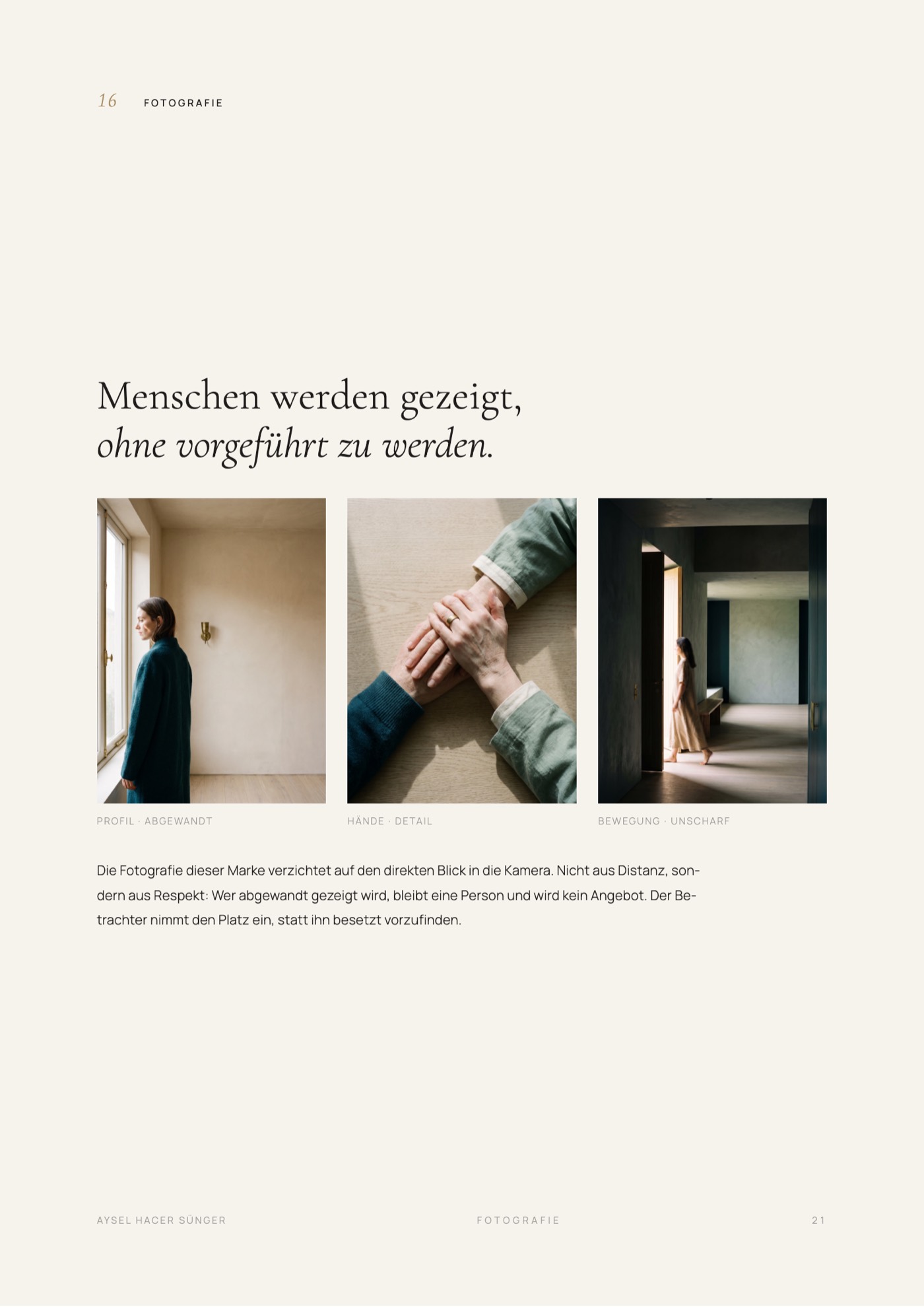
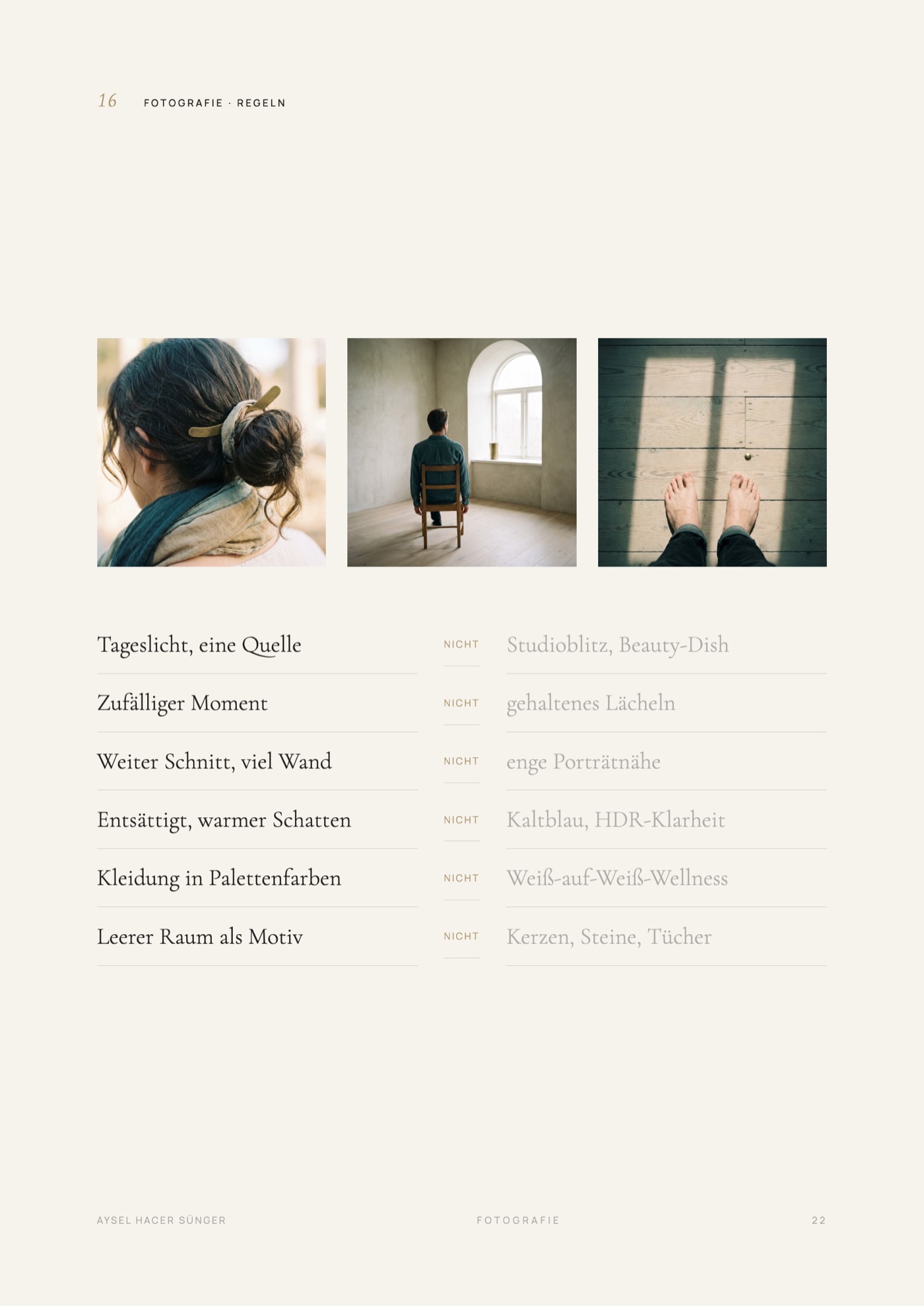
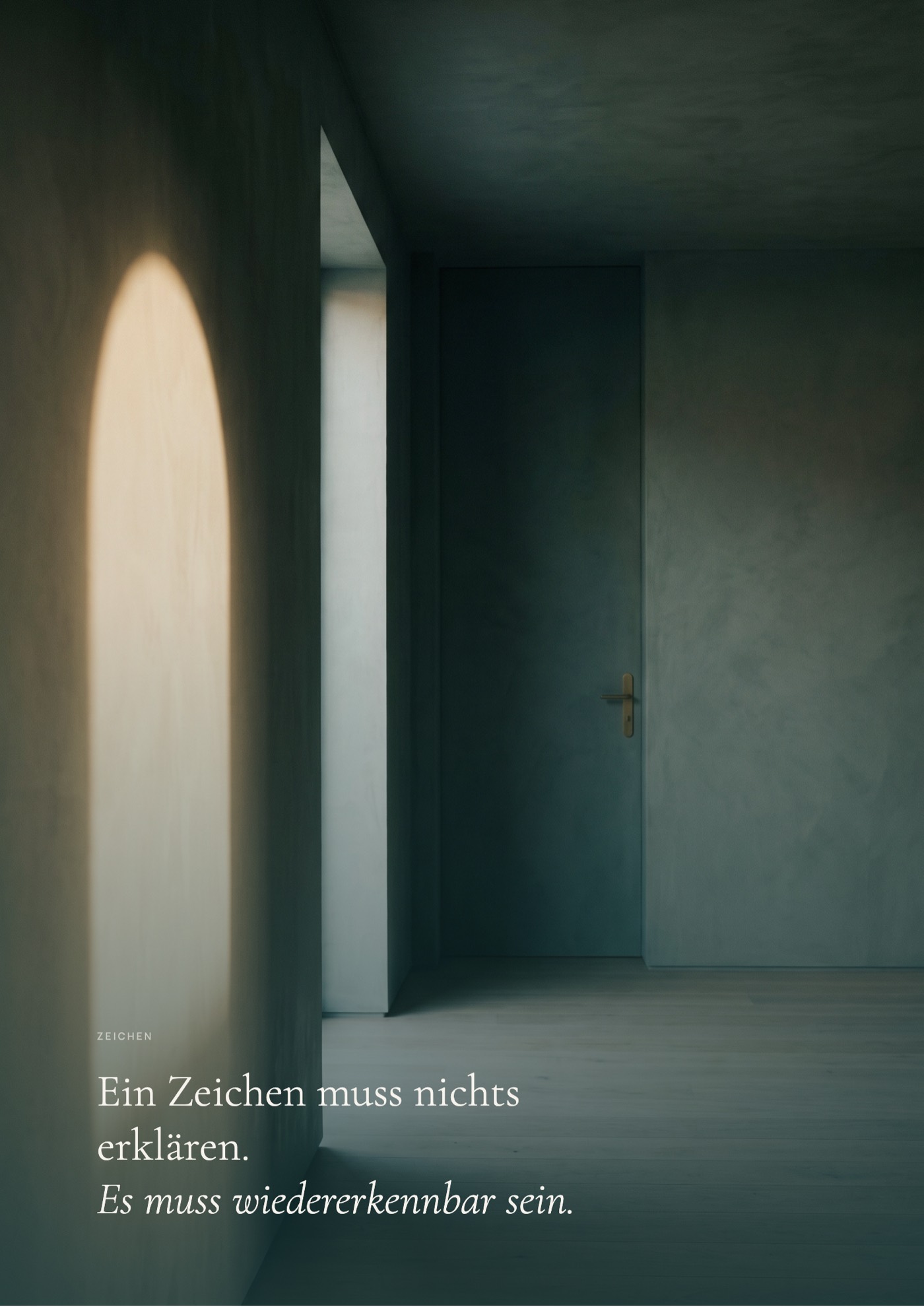
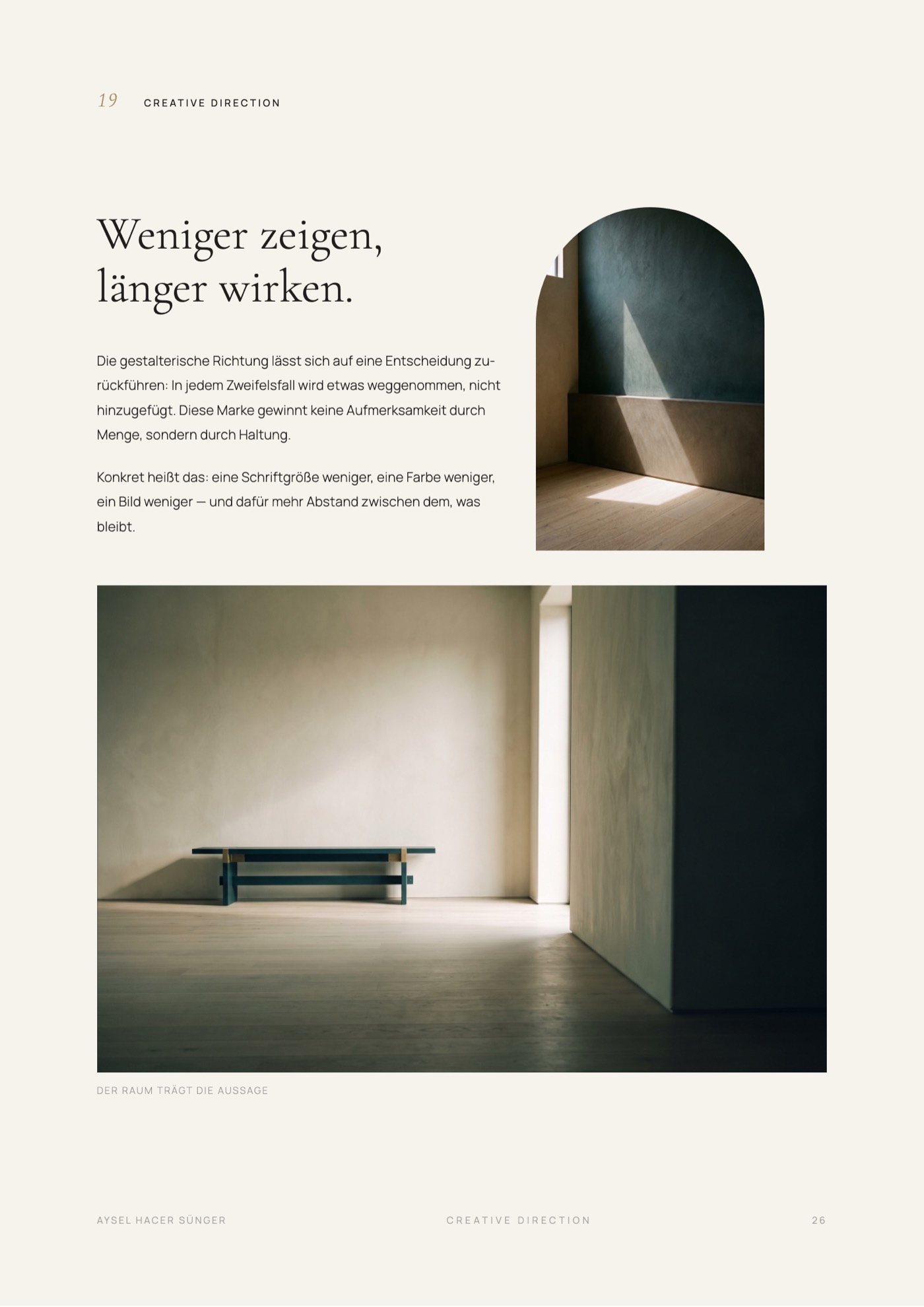
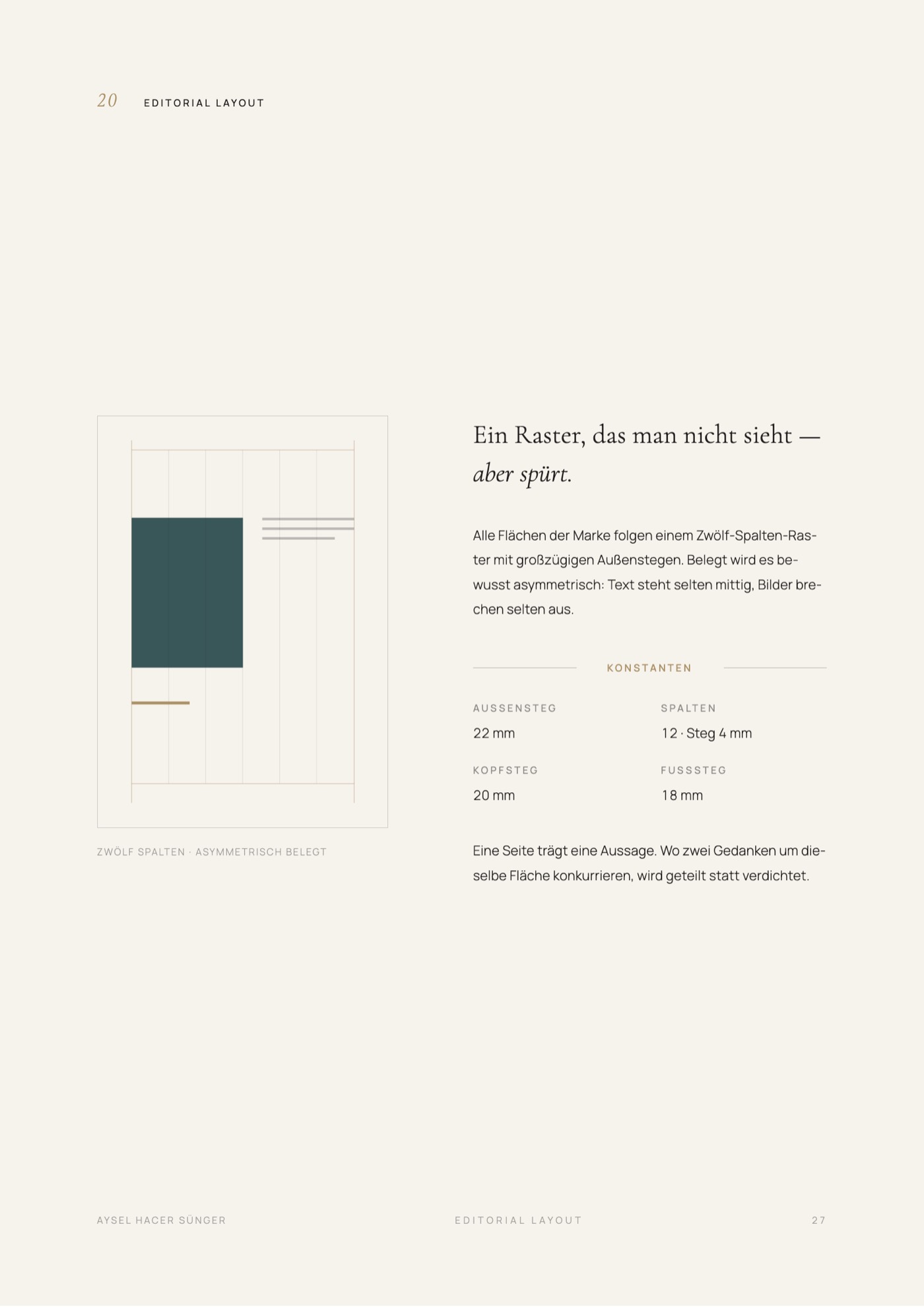
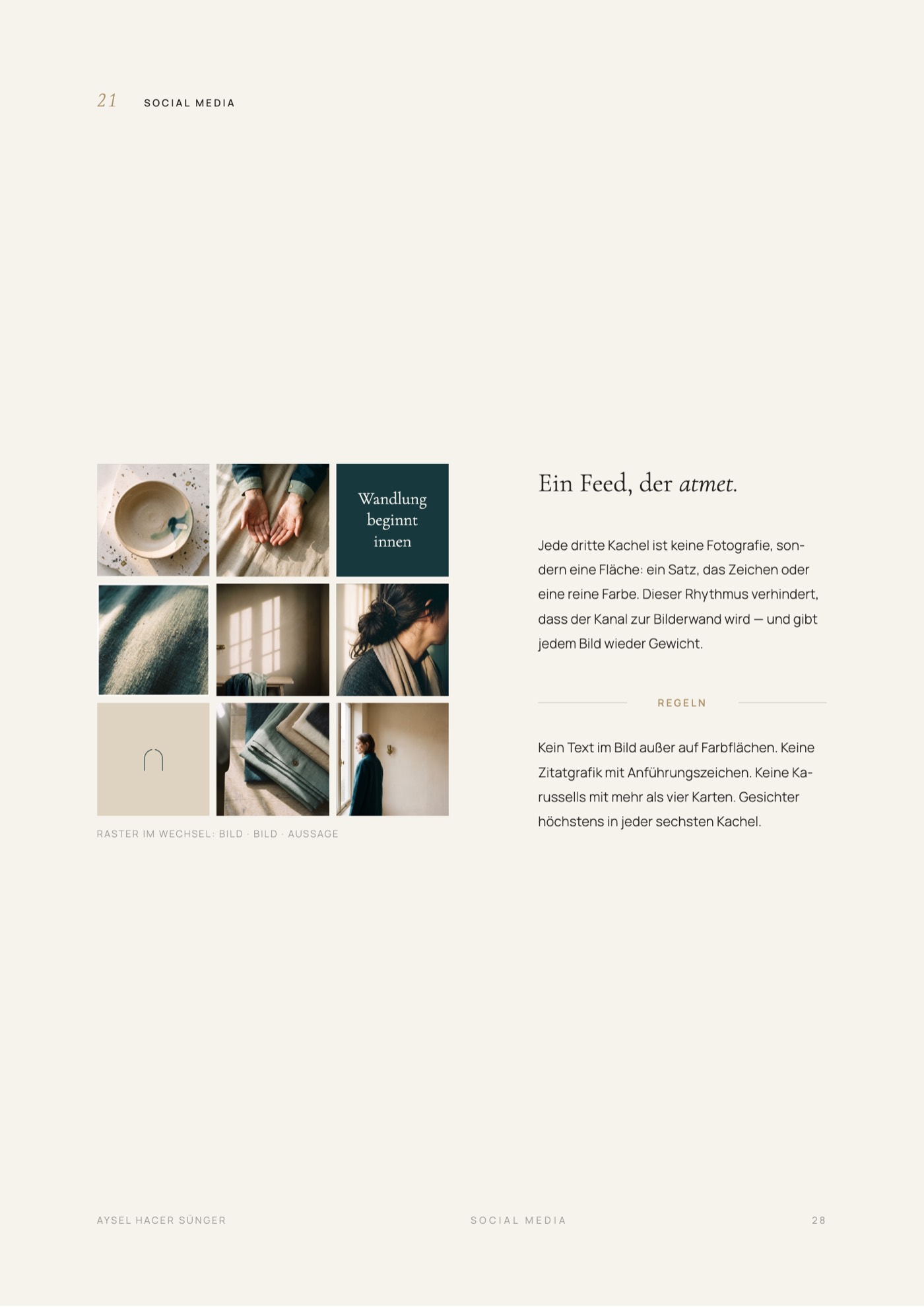
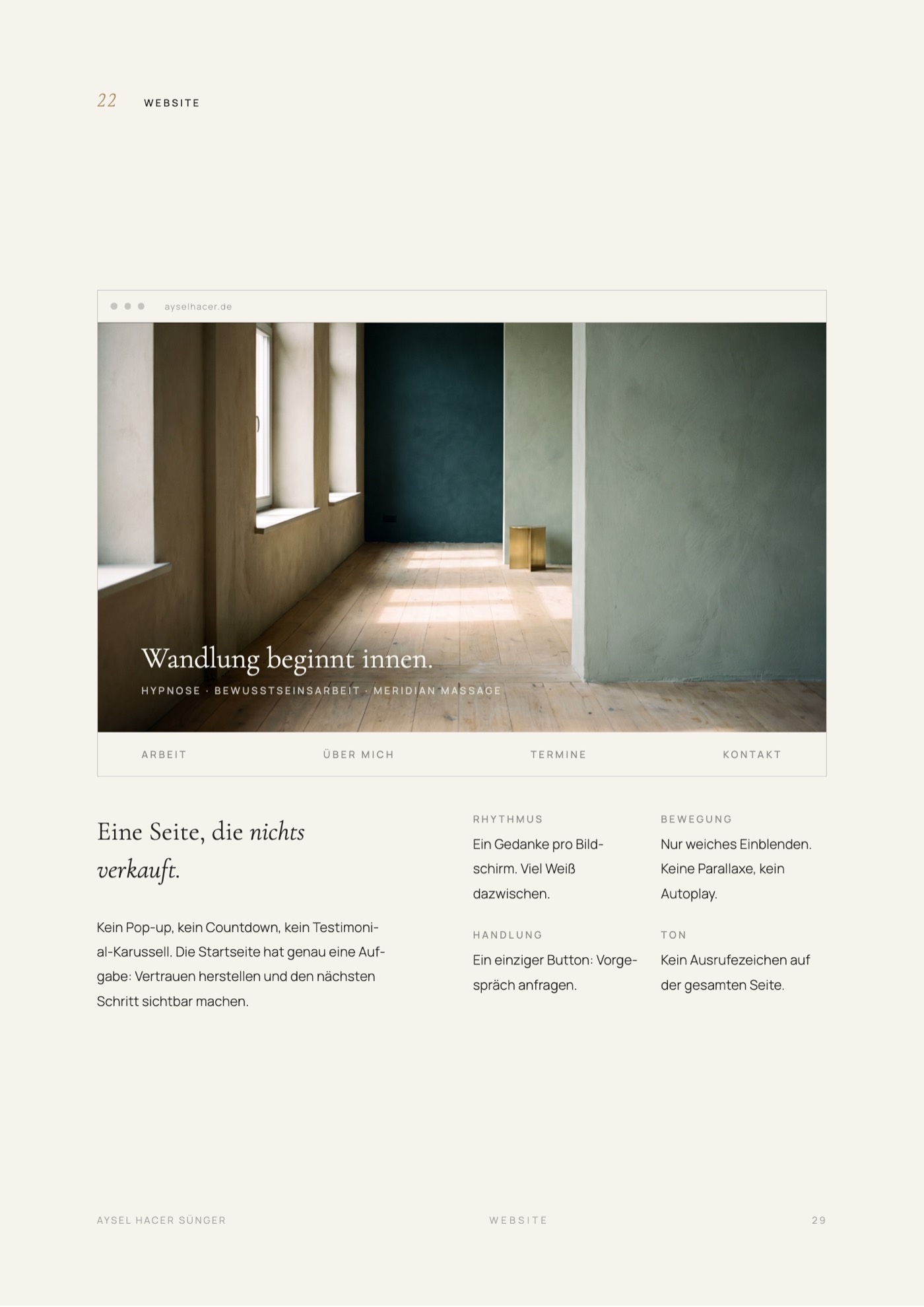
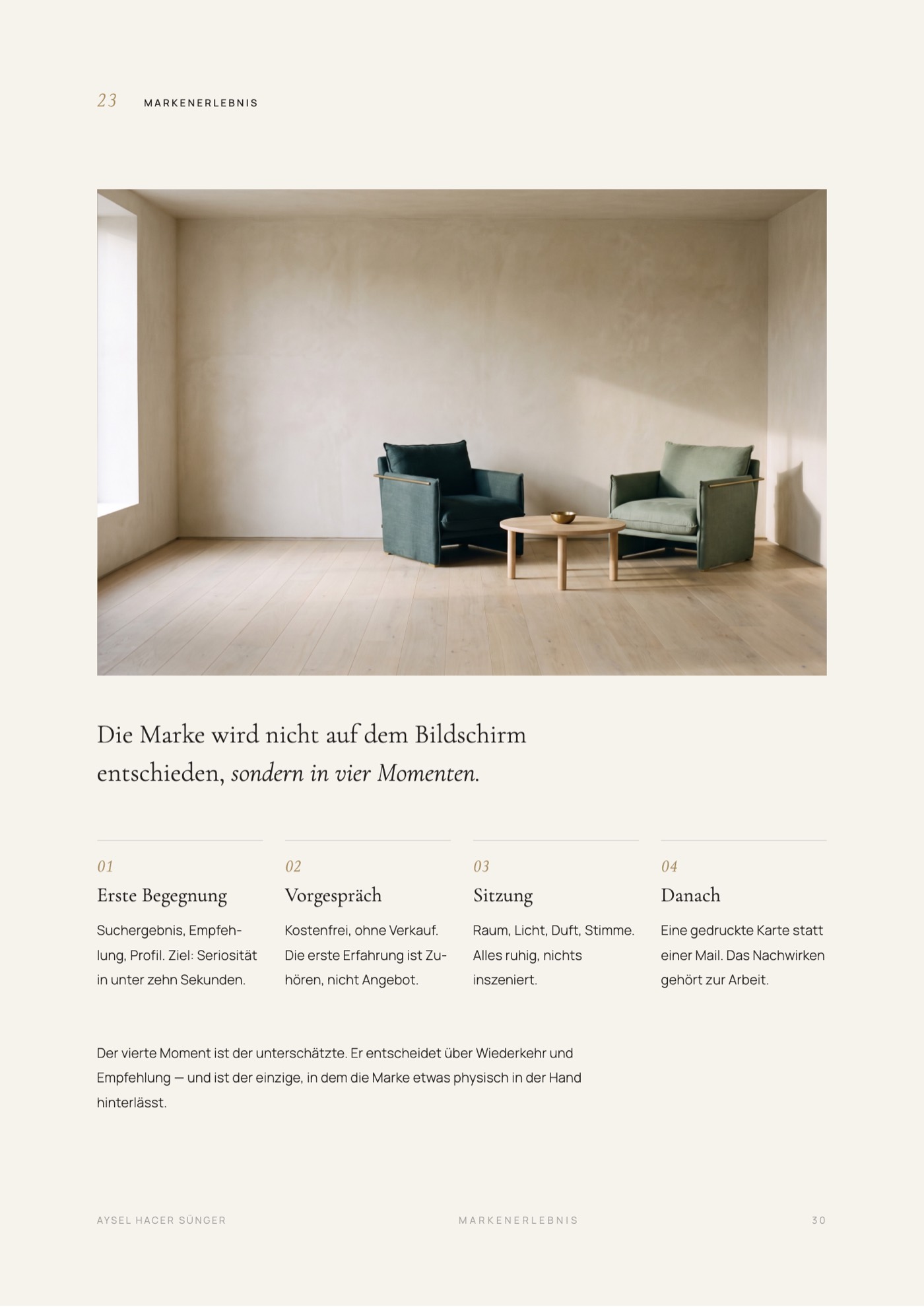
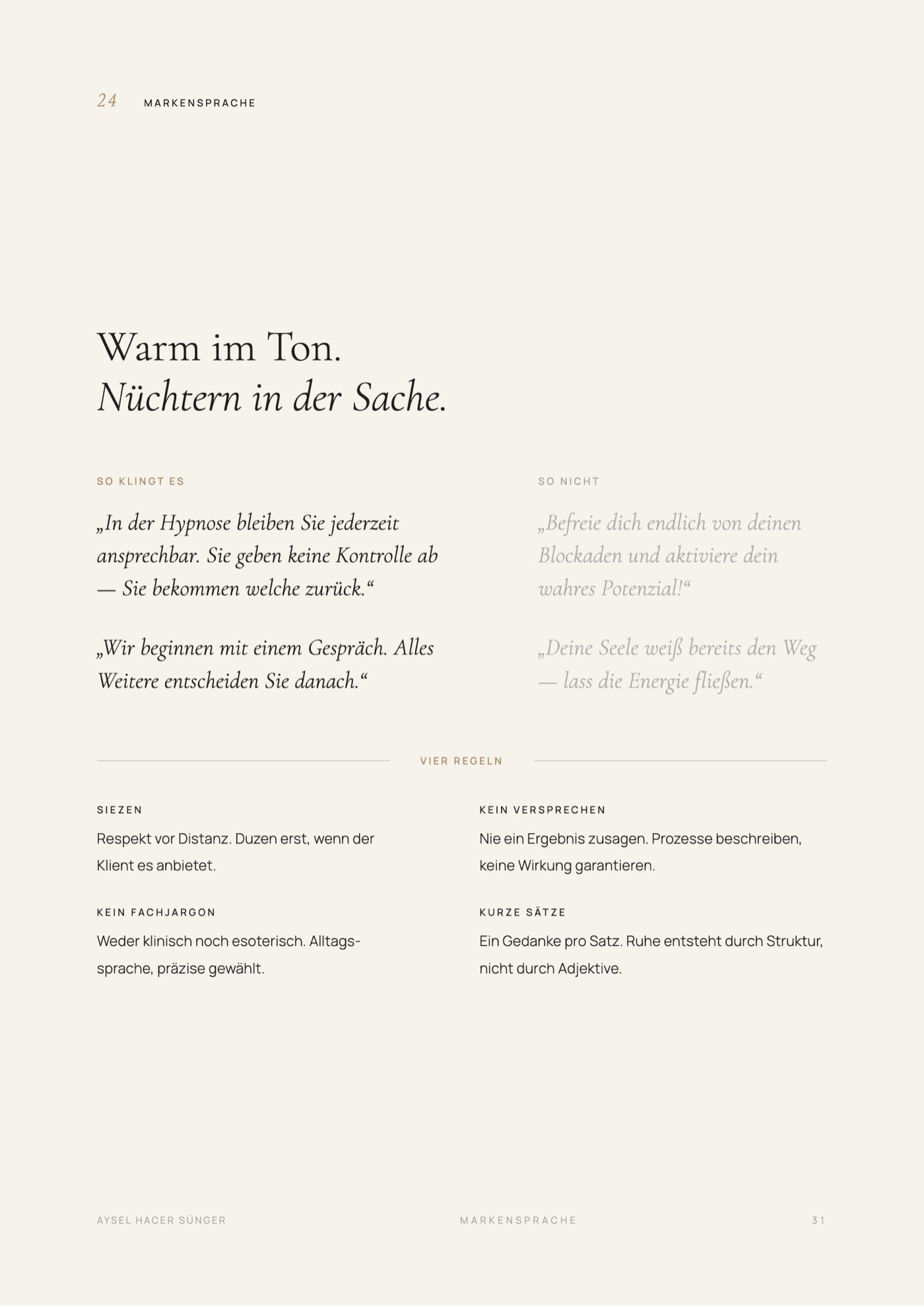
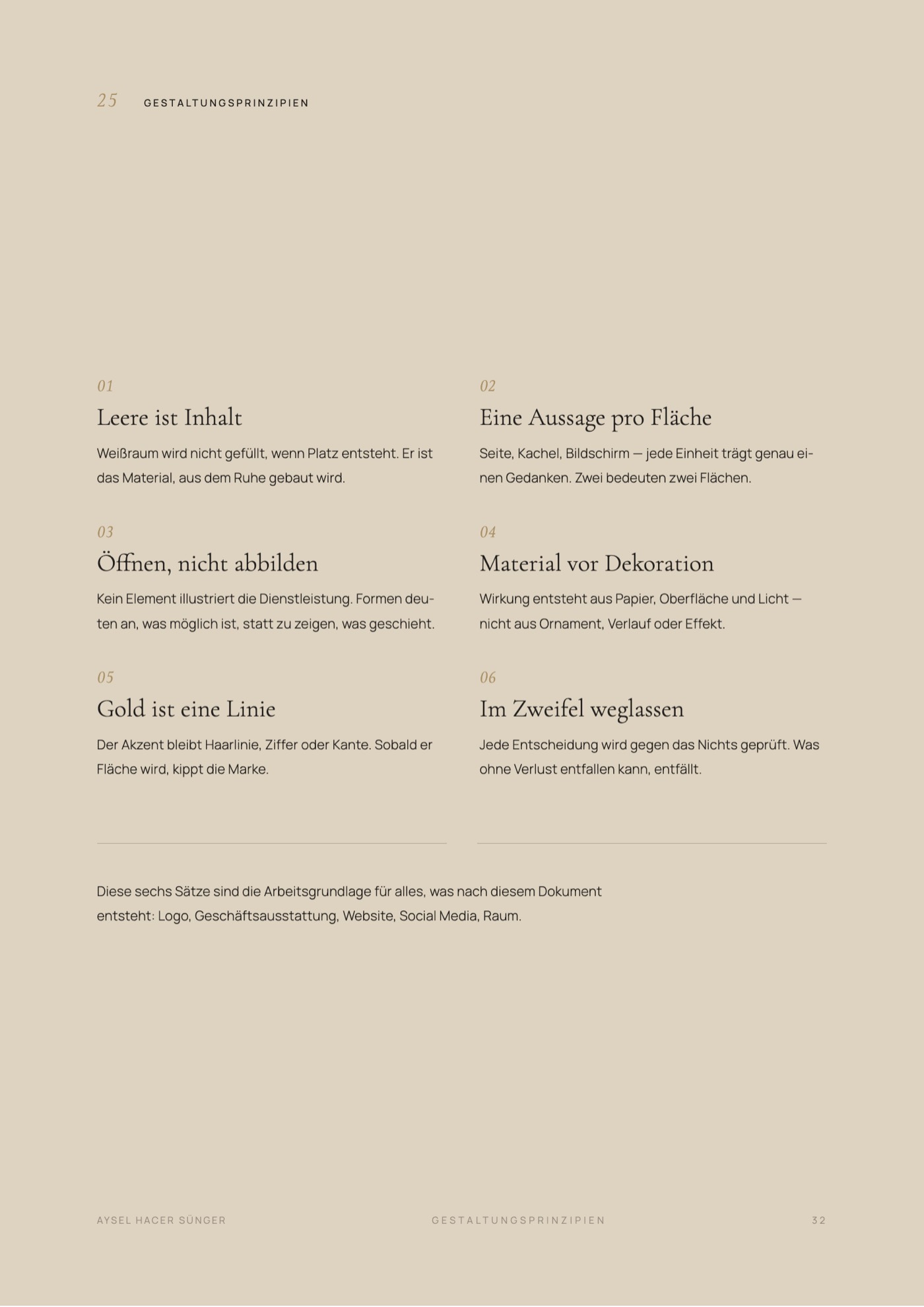
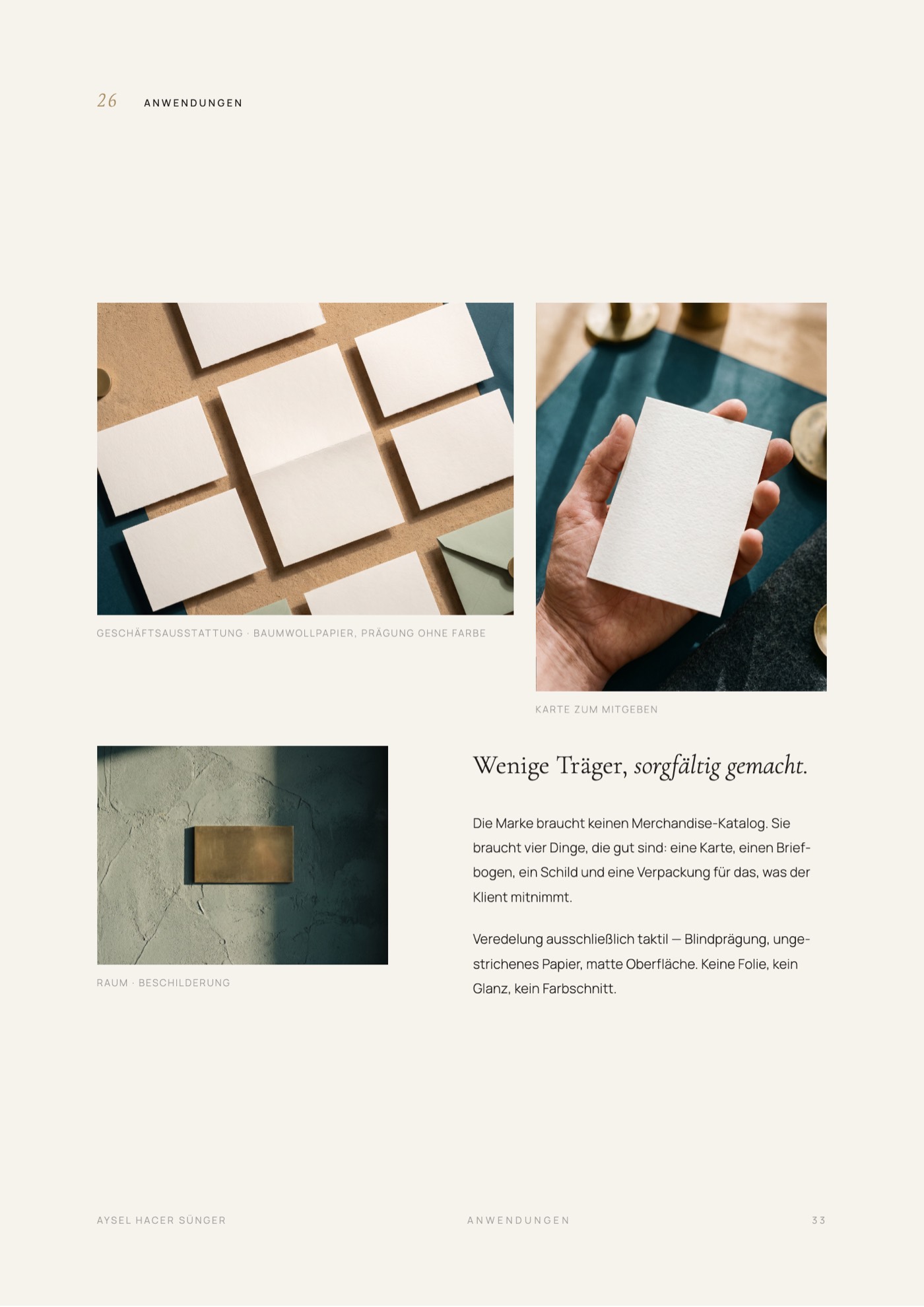
Moodboards and visual direction frames were generated with AI, 39 frames.
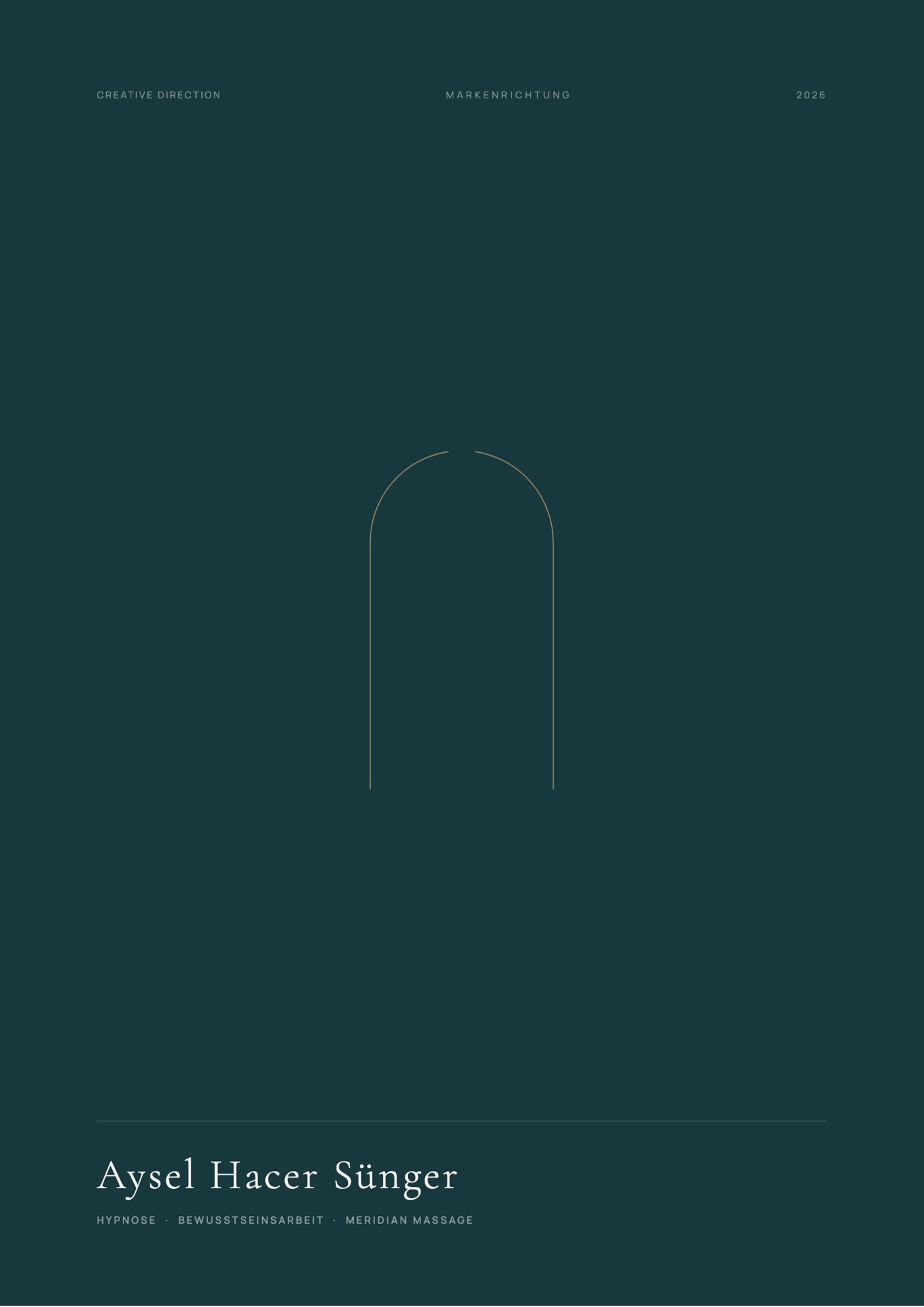
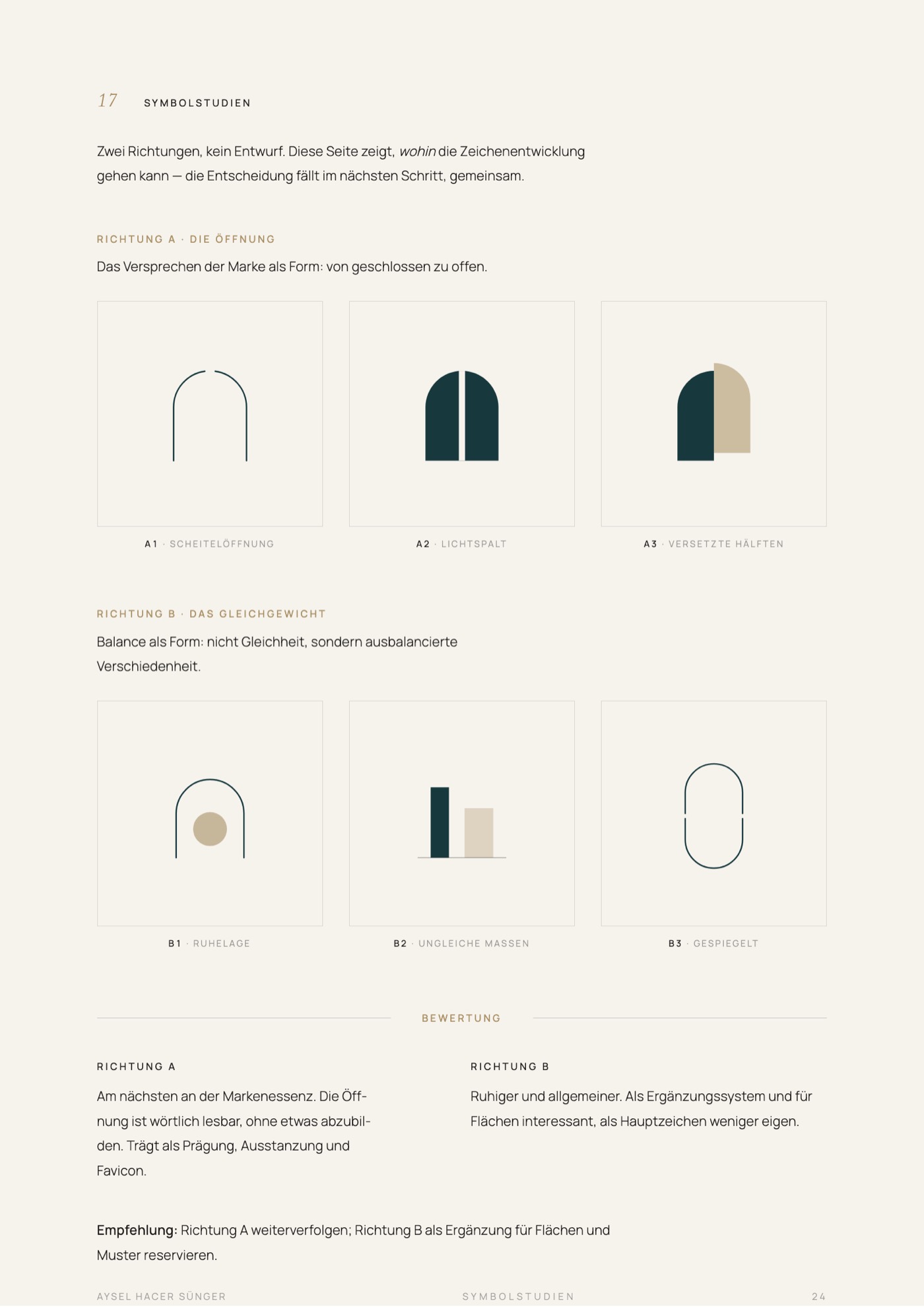
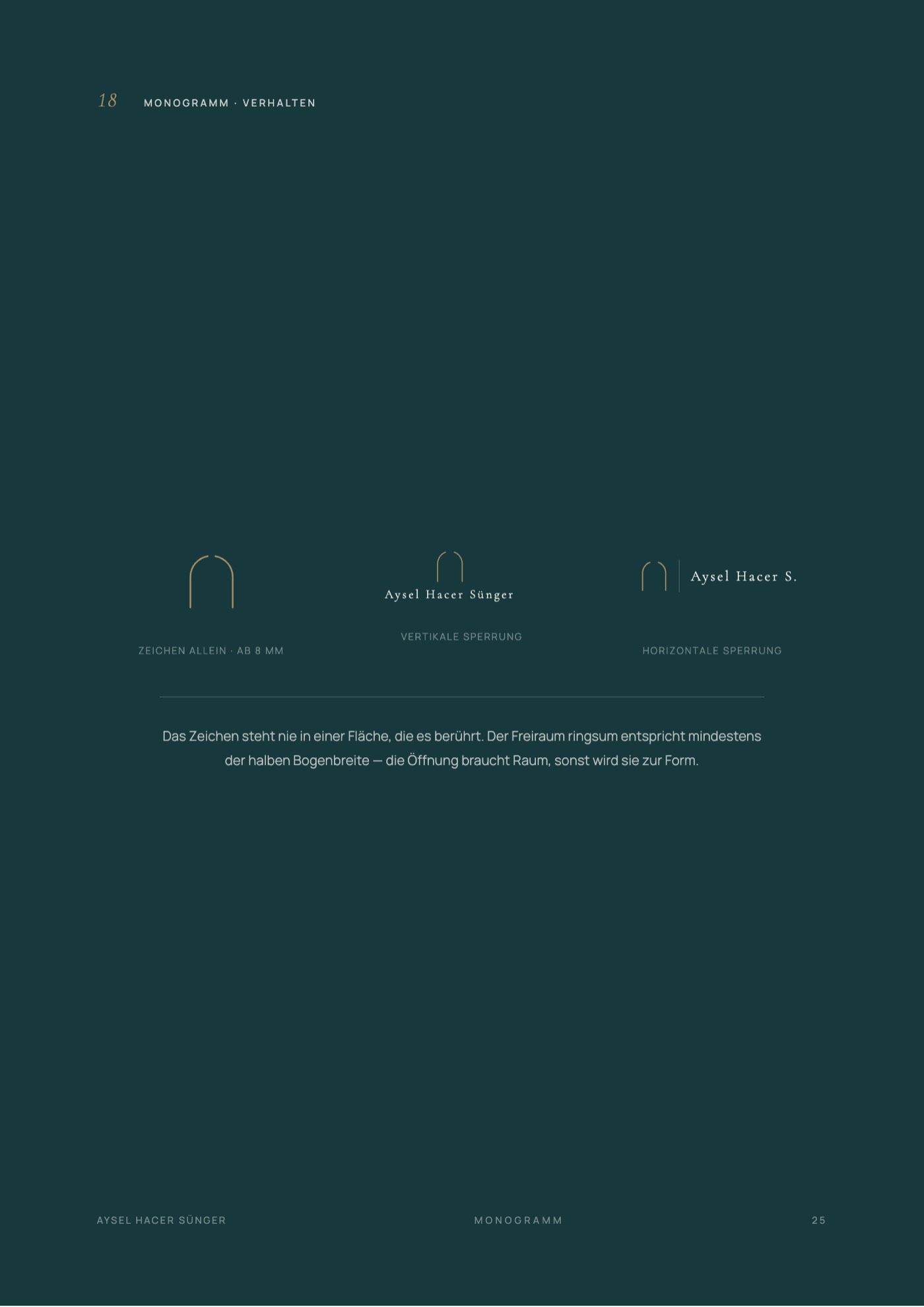
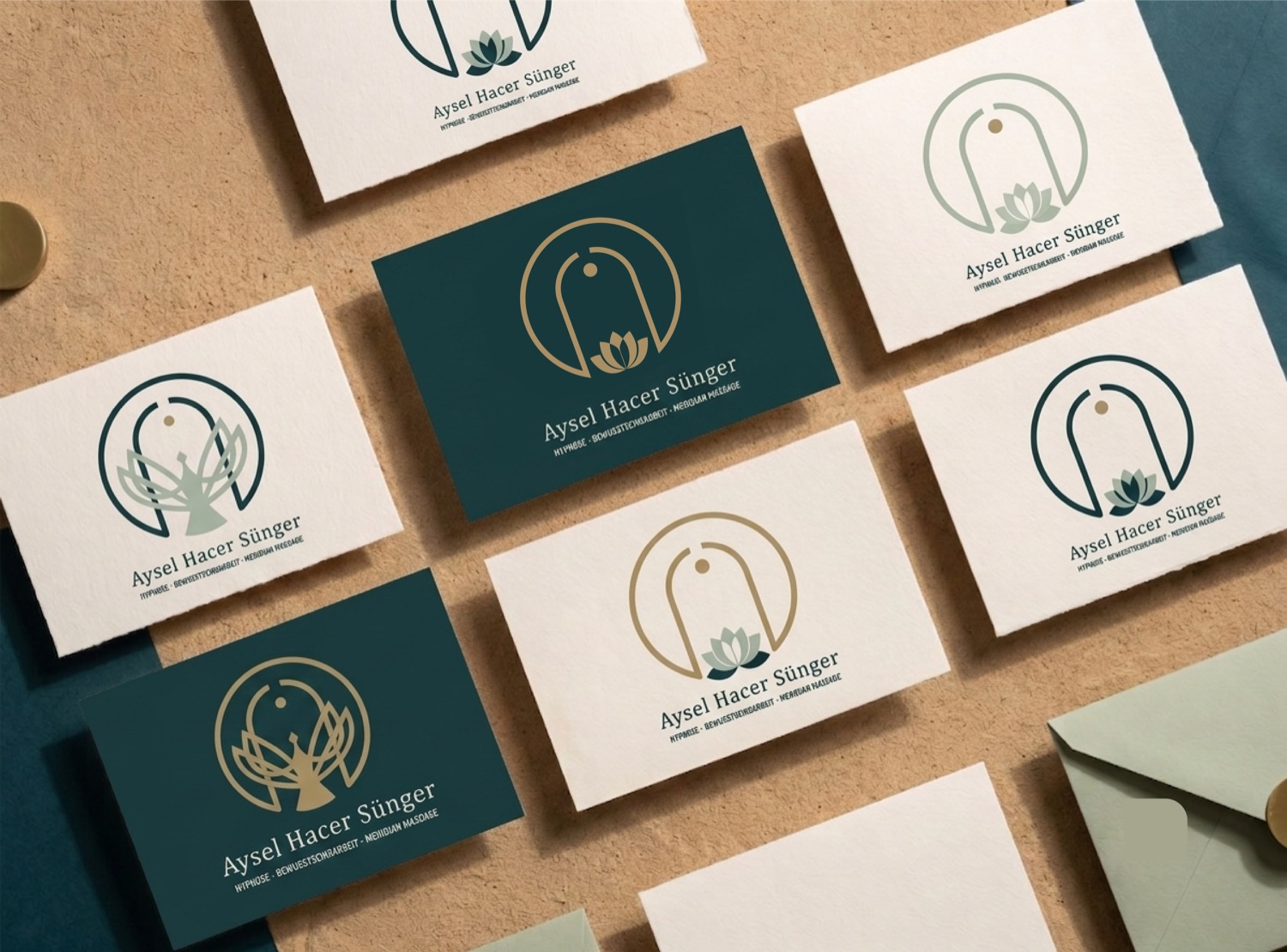
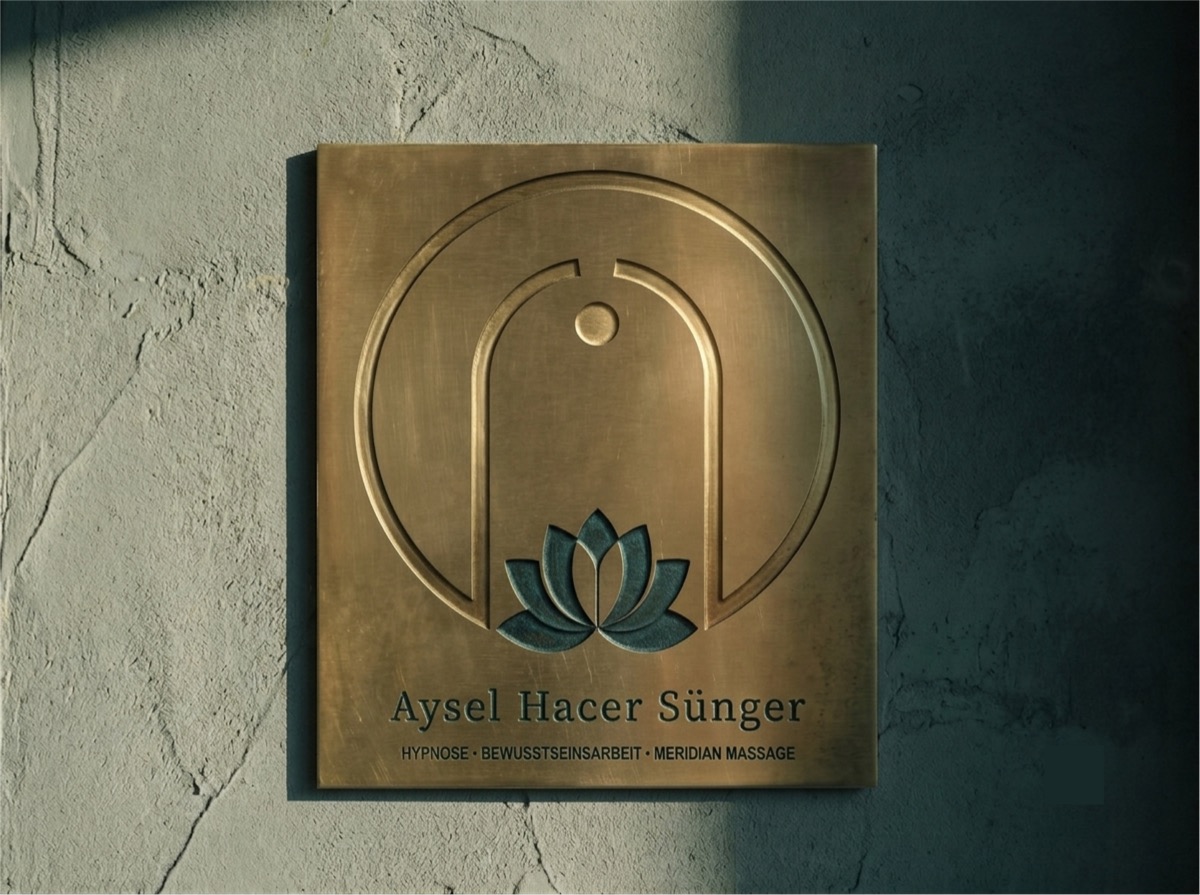
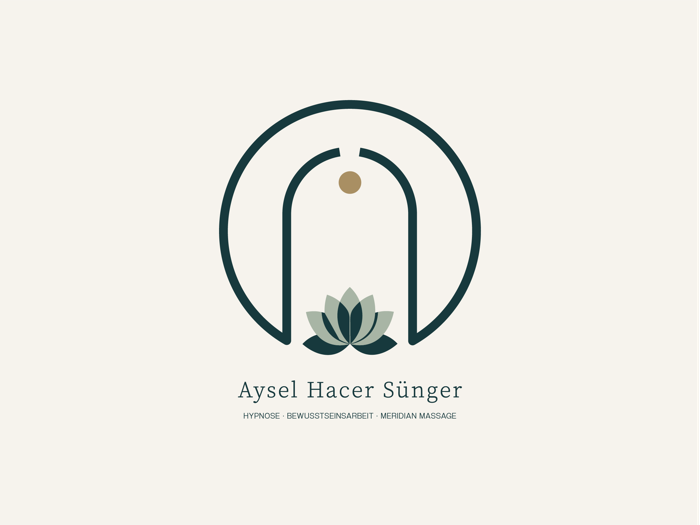
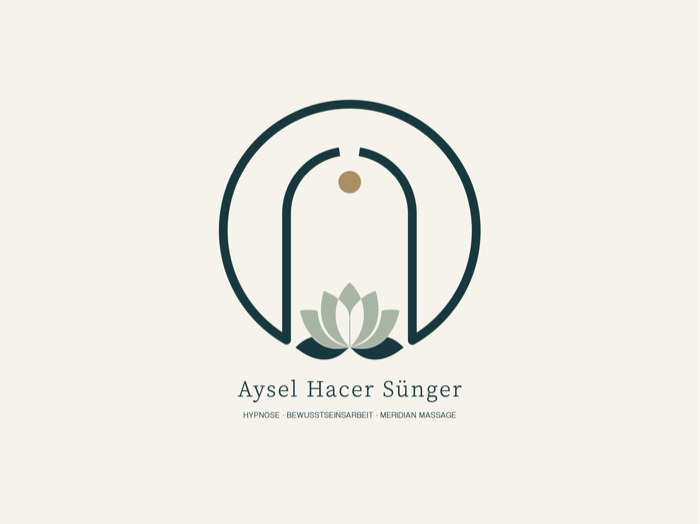
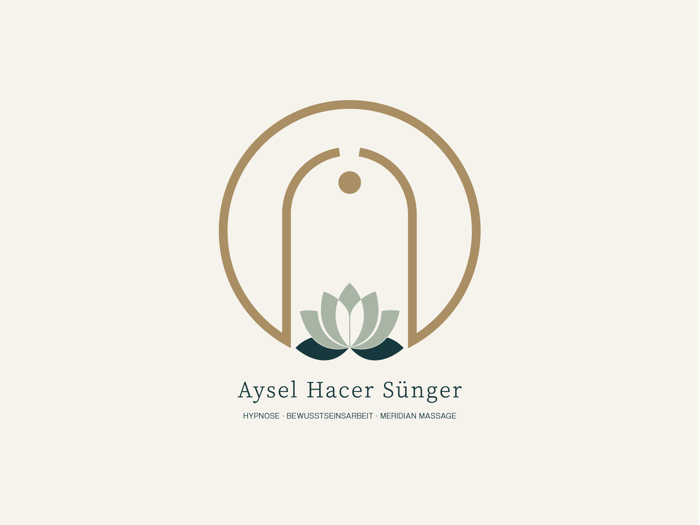
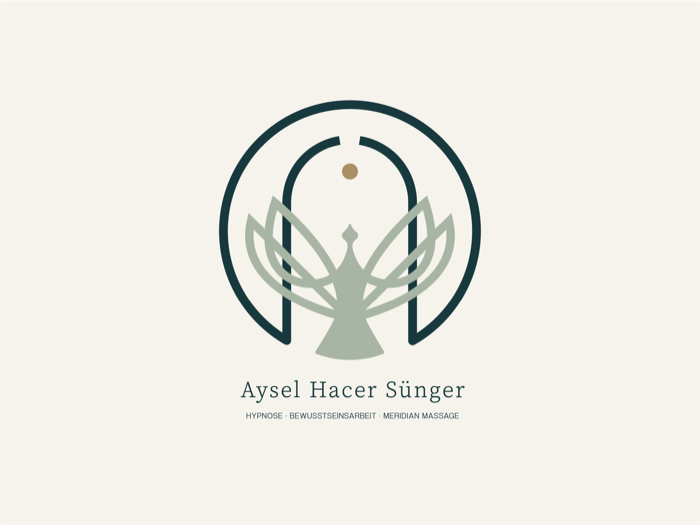
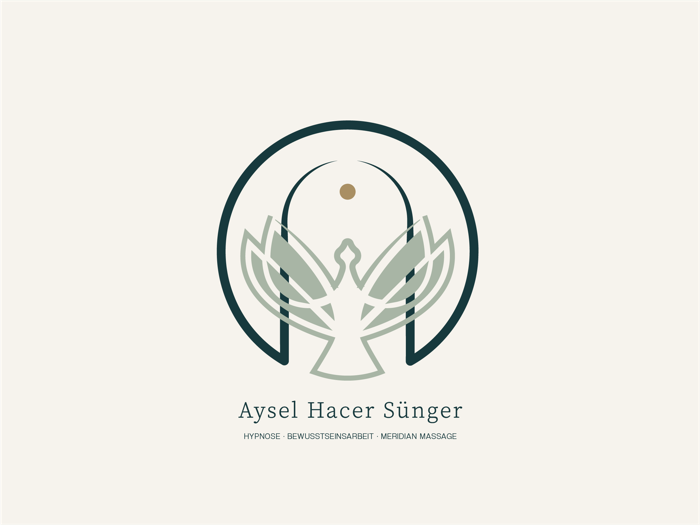
The logo was drawn last: exploration variants, the final mark, and the mark locked up with the brand name.
How I work
method
How I work
methodI built an AI film crew
this yearI studied film at İstanbul Bilgi University and worked on sets in the lighting and camera departments. I started experimenting to see whether the way a set works could be applied to AI.
I did not write prompts. I built a film crew: every role is a separate step, the order never changes, no step is skipped.
I measure first
I did research for an English-language YouTube channel. I settled on the psychology niche, and before opening the channel I decided to work out how the videos that succeed in it are written.
The reason was this: I found the texts AI wrote too artificial. I wanted the rules I would hand the writing system to be measurements, not guesses.
I gathered the rules from three separate literature reviews: what persuades people, how a story is built, and how attention is held. More than sixty candidate rules came out. The story review started from two questions of my own: where is the conflict in this scene, and what does this piece do for the narrative.
Then I did not ask anyone whether they liked the rules. I tested them one by one against the actual transcripts of videos that had worked.
Of more than sixty rules, only one was confirmed by measurement. Titles, thumbnails and publishing frequency pointed nowhere: large channels and small ones alike were putting out nine to twelve videos a month, and what separated them was the age of the channel. The fake split produced differences at the same rate as the real one, which means the differences found were not real.
One result survived, and it was worth more than what I was looking for. When videos on the same subject are compared against each other, the subject stops being a variable and only the telling is left. The upper half had been watched 8.43 times more than the lower half.
I closed the research here. The problem turned out to be judgement, not measurement: two readers gave the same answer to all eight questions on only 40 percent of 308 texts. The same model had no such problem producing text. I built the channel accordingly: the model writes, the human decides.
The whole study took four days. The transcribed material runs to 303 hours; one person watching eight hours a day would need thirty-eight days just to watch it. The scanning, the transcription and the reading were done by AI.
What I learned is this: gathering data at this scale is no longer the hard part. The hard part is deciding what the data means.
Who I work with
2019 – 2026
Who I work with
2019 – 2026I have worked with AFF Reklam since 2019, and with BREX.CO and Res Publica since 2022. Almost all of the work above came out of those three relationships.